
Tap Water vs RO Water for Aquariums: Which Is Better?
Tap Water vs RO Water for Aquariums: Which Is Better? This is one of those questions that every aquarium hobbyist runs into sooner or later. Usually not at the beginning, but after the first few problems start showing up. Cloudy water. Fish acting strange. Plants not growing the way they should. Suddenly, the water source becomes the suspect.
Some people swear by tap water. Others say RO water is the only safe option. And then there are hobbyists mixing both, adding minerals, chasing numbers, and getting more confused than before.
The truth is simpler than most online arguments make it sound. Neither tap water nor RO water is automatically better. The right choice depends on your setup, your fish, and how much control you actually need.
Let’s break it down in a calm, practical way.
Understanding Tap Water in Aquariums
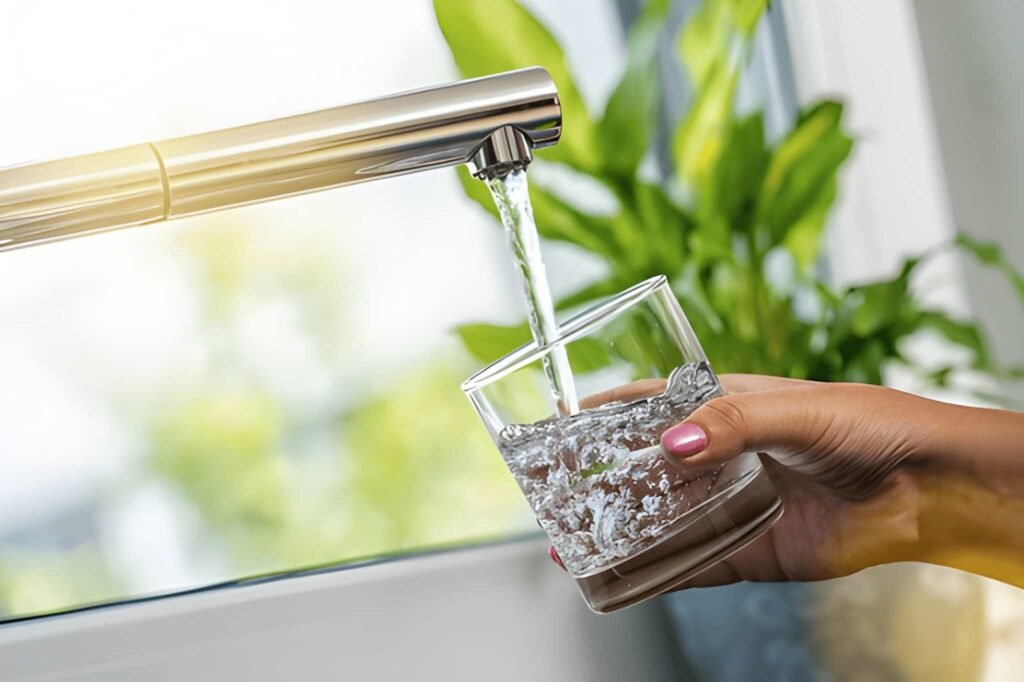
Tap water is the most common water source for aquariums, especially for beginners. It’s easy to access, affordable, and already used by millions of hobbyists worldwide.
But tap water is not just “water.” It contains minerals, disinfectants, and varies a lot depending on where you live.
What’s Actually in Tap Water
Most tap water contains:
Calcium and magnesium (hardness)
Chlorine or chloramine
Trace minerals
Variable pH levels
None of these are automatically bad. In fact, many fish and plants prefer mineral-rich water.
The real issue is consistency. Some cities have very stable tap water. Others change treatment methods seasonally.
The Biggest Advantage of Tap Water
Tap water works because it’s simple.
For most community fish, planted tanks, and beginner setups, conditioned tap water is more than enough. Once you remove chlorine or chloramine using a water conditioner, the water is usually safe.
Tap water:
Is cheap
Is easy to use
Already contains minerals fish need
Supports beneficial bacteria well
This is why most beginner aquariums succeed with tap water.
When Tap Water Causes Problems
Tap water becomes an issue when its natural parameters don’t match what your aquarium needs.
Common tap water problems include:
Very high hardness
Extremely high or unstable pH
Heavy chloramine use
Metal traces in old plumbing
In these cases, fish may survive but not thrive. Plants may struggle. Shrimp may fail completely.
This is usually when people start looking at reminders like RO water.
What Is RO Water and Why People Use It
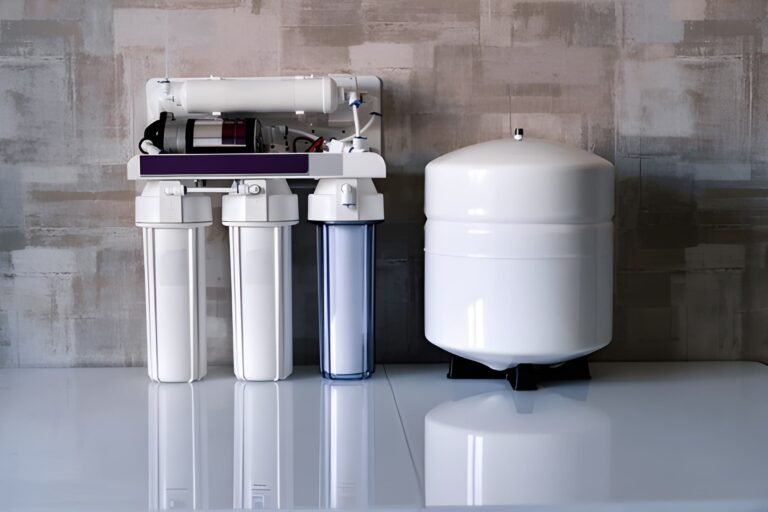
RO stands for reverse osmosis. RO water is purified water that has most dissolved minerals removed.
It is almost blank water.
This gives hobbyists control. But control comes with responsibility.
RO water is popular among:
Shrimp keepers
Discus and sensitive fish keepers
Blackwater aquarium hobbyists
Advanced planted tank owners
The Biggest Advantage of RO Water
RO water gives you consistency.
Every batch starts almost the same. This allows you to:
Precisely control hardness
Adjust pH safely
Remineralize for specific species
For sensitive animals like shrimp, this level of control can be the difference between success and constant losses.
The Hidden Downsides of RO Water
RO water is not magic. It also has downsides that beginners often overlook.
RO water:
Has no minerals by default
Must be remineralized
Requires extra equipment or buying water
Adds complexity to maintenance
Using pure RO water without remineralizing can harm fish, plants, and beneficial bacteria.
Fish need minerals. Plants need minerals. Even bacteria rely on stable water chemistry.
RO water is powerful, but unforgiving if used incorrectly.
Tap Water vs RO Water for Fish Tanks
For most beginner and community aquariums, tap water wins.
Fish like:
Guppies
Tetras
Danios
Mollies
Goldfish
do very well in conditioned tap water.
RO water becomes useful when:
You keep very sensitive fish
Your tap water is extremely hard or unstable
You are trying to replicate specific natural habitats
If your fish are healthy and active on tap water, there is usually no reason to switch.
Tap Water vs RO Water for Planted Tanks
Plants care more about stability than perfection.
Many low-tech planted tanks grow beautifully in tap water. In fact, the minerals in tap water often help plant growth.
RO water is useful in planted tanks when:
Algae problems are linked to tap water hardness
You are running a high-tech setup
You want precise nutrient control
For low-tech planted tanks, tap water is often easier and more forgiving.
Tap Water vs RO Water for Shrimp Tanks
This is where RO water shines.
Shrimp, especially species like red cherry shrimp and crystal shrimp, are sensitive to water parameters.
RO water allows shrimp keepers to:
Control hardness exactly
Avoid sudden parameter swings
Create stable breeding conditions
Many successful shrimp keepers mix RO water with minerals designed specifically for shrimp.
Using tap water for shrimp can work, but it depends heavily on local water quality.
Mixing Tap Water and RO Water
Some hobbyists mix tap water and RO water to find a middle ground.
This approach:
Reduces hardness
Maintains some natural minerals
Is cheaper than full RO use
Mixing works well when tap water is slightly too hard but otherwise stable.
Consistency matters more than the exact ratio.
Water Conditioners and RO Water
Tap water always needs a conditioner to neutralize chlorine or chloramine.
RO water usually does not, but some hobbyists still add conditioner as a precaution.
More important than conditioner is remineralization when using RO water. Without minerals, RO water is incomplete.
Common Mistakes People Make With RO Water
Many beginners switch to RO water expecting instant improvement.
Common mistakes include:
Not adding minerals back
Changing water sources too suddenly
Mixing RO and tap inconsistently
Chasing perfect numbers
Switching water sources should always be gradual.
Sudden changes stress fish more than imperfect water.
How to Choose What’s Right for Your Aquarium
Ask yourself a few honest questions:
Are my fish healthy now
Are plants growing reasonably
Am I solving a real problem or just experimenting
Do I want simplicity or full control
If your tank is stable on tap water, stay with it.
If you are keeping sensitive species and struggling despite good care, RO water may help.
You Don’t Need Perfect Water to Succeed
This is important.
Many beautiful aquariums run on imperfect tap water. Many failed tanks use expensive RO systems.
Success comes from consistency, observation, and routine, not from chasing ideal water.
Water is a tool, not a solution by itself.
Final Thoughts
Tap water vs RO water for aquariums is not about which one is better overall. It’s about which one fits your aquarium, your animals, and your experience level.
Tap water is simple, affordable, and reliable for most setups.
RO water offers control, but demands knowledge and discipline.
Choose the option that supports stability, not stress.
A calm aquarium always outperforms a complicated one.
Pingback: How to Keep a Nano Tank Crystal Clear (Beginner Cleaning Guide)