
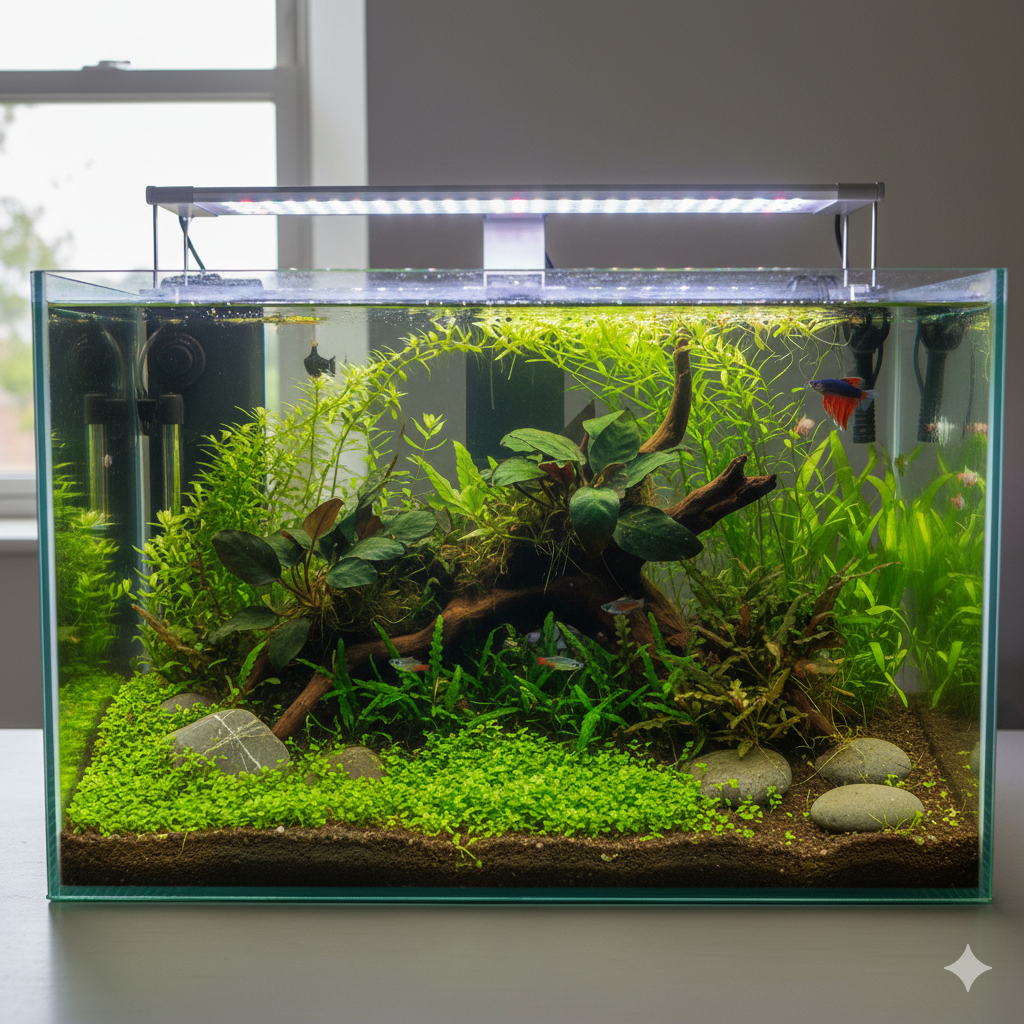
How to Start a Planted Aquarium (Beginner Guide)
Starting a planted aquarium is exciting. You picture a clean glass tank with soft green plants, maybe a few fish swimming around, and everything looking calm and natural. But when you actually begin, things can feel overwhelming. Too many plant names. Too many filter options. Too much advice that sounds complicated.
The good news is that a planted tank doesn’t need to be difficult. With a simple plan and the right choices, anyone can build a beautiful, low-maintenance planted aquarium. This guide will help you start from scratch without stres
Choose the Right Tank Size
You can technically plant any tank size, but beginners usually do best with something between 20 to 50 litres. Small nano tanks look cute, but they react quickly to mistakes. A medium-sized tank stays stable and gives plants enough room to grow properly.
Pick a tank shape you actually like looking at. Long tanks give a more natural layout, cube tanks feel clean and modern, and both work well.
Pick Plants That Are Easy to Grow
Many beginners start with plants that look beautiful in photos but are impossible to grow without special lighting or CO₂. To make your first tank easy, choose hardy, forgiving plants.
Great beginner options include:
• Anubias
• Java Fern
• Cryptocoryne
• Vallisneria
• Amazon Sword
• Pearlweed
• Moss (Java Moss or Christmas Moss)
These plants grow well without CO₂ and don’t need perfect conditions. They add colour, oxygen, and a natural feeling to the tank right away.
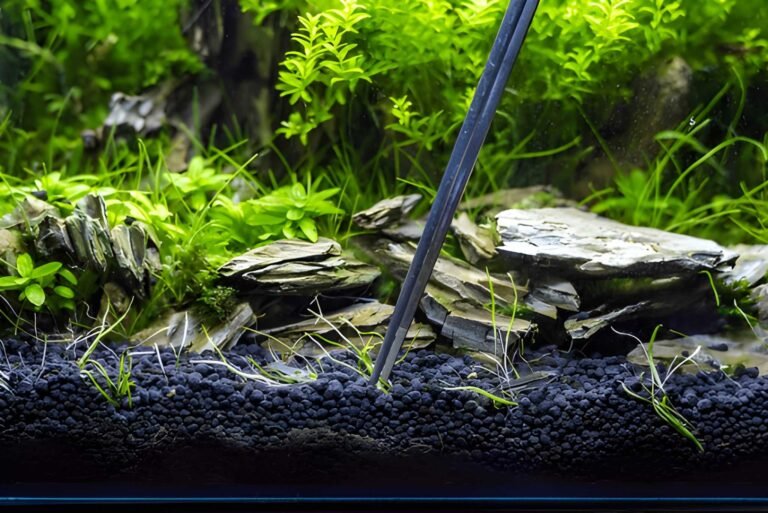
Use a Good Substrate
Plants grow best with a strong foundation. You can use nutrient-rich aquarium soil if you want the simplest path to success. If you prefer sand or gravel, just add root tabs near the heavy-rooting plants.
Your plants will only grow as well as the substrate you give them. A good base makes things much easier.
Choose a Light That Isn’t Too Weak or Too Strong
Planted tanks live or die by lighting. For a low-tech setup, you don’t need powerful lighting — just something that provides consistent, even light across the tank.
Most modern LED aquarium lights work fine for beginners. The main rule is to avoid extremely cheap lights and avoid keeping the light on too long. A simple timer set to around six to eight hours a day is perfect.
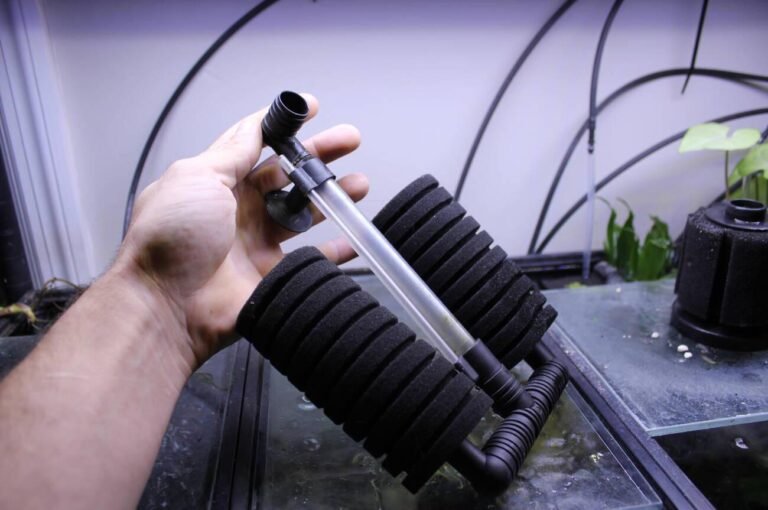
Pick a Filter That Fits the Tank
Filters keep the water clean and oxygenated. For planted tanks, you want something that provides steady flow without blasting your plants around. Sponge filters and small hang-on-back filters are often ideal.
Shrimp tanks do best with sponge filters. Community setups can use hang-on-back or internal filters. You don’t need anything fancy unless you are planning a high-tech setup.
Add Hardscape and Design Your Layout
Driftwood, stones, and simple decorations give your tank personality. They also create hiding spots for fish and interesting surfaces for plants to grow on.
Don’t overthink the layout. Start simple:
• One main piece of driftwood
• A few rocks to anchor the design
• Plants around and behind the hardscape
Natural layouts always look better than crowded ones.
Plant Your Plants Properly
Most plants grow better when you plant them with space to spread. Stem plants should be placed a little deeper. Rhizome plants like Anubias and Java Fern should be tied to wood or rock instead of buried.
Once planted, avoid moving things too often. Let the plants settle and grow roots.
Cycle the Tank Before Adding Fish
A planted tank needs time to build beneficial bacteria. This process prevents ammonia spikes that can harm fish. Add your plants, set the filter and light, and let the tank run for at least a week or two.
Plants actually help your tank cycle faster, so this stage is easier than with a bare tank. When the water stabilises, you can start adding your first fish or shrimp slowly.
Do Simple, Consistent Maintenance
Planted tanks are not hard to maintain. Once a week, change a little water, wipe the glass if needed, and trim plants when they start growing too tall.
Your plants will get healthier over time, the tank will look more natural, and maintenance becomes even easier. A well-balanced planted tank almost takes care of itself.
Pingback: How to Maintain a Planted Aquarium Long Term