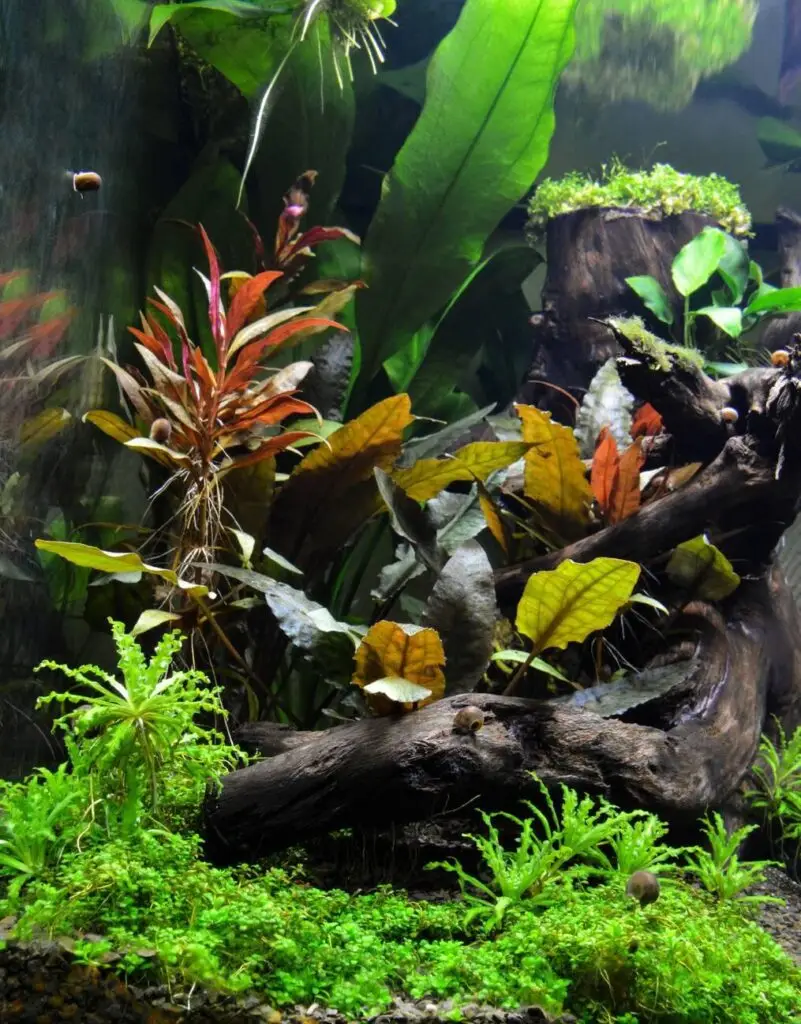
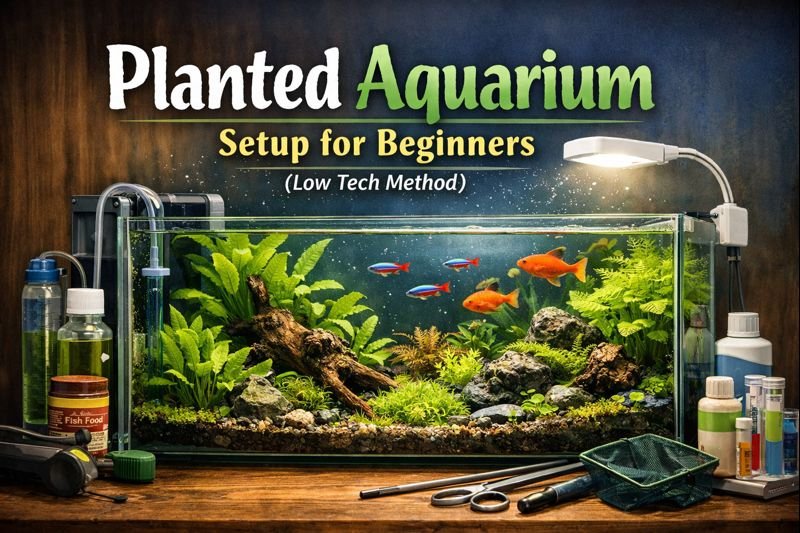
A planted aquarium looks peaceful and natural. Fish move calmly through green plants, the water feels alive, and the tank becomes something you enjoy looking at every day. But for beginners, planted aquariums often sound complicated. CO2 systems, fertilizers, expensive lights, constant trimming. That fear stops many people before they even start.
Here is the good news. You do not need any of that to build a successful planted aquarium.
A low tech planted aquarium is simple, affordable, and beginner friendly. It focuses on balance, not equipment. This guide explains how to set up a planted aquarium the low tech way, step by step, without stress and without chasing perfection.
lus, luctus nec ullamcorper mattis, pulvinar dapibus leo.
What a Low Tech Planted Aquarium Really Means
Low tech does not mean low quality.
A low tech planted aquarium simply means:
• No CO2 injection
• Moderate lighting
• Easy plants
• Slow, steady growth
Plants grow at a natural pace. Maintenance stays low. Mistakes are more forgiving.
For beginners, low tech is the smartest way to start.
Why Beginners Should Avoid High Tech Setups
High tech planted tanks look impressive online, but they demand experience.
High tech tanks require:
• Strong lights
• CO2 systems
• Daily monitoring
• Precise dosing
Beginners often struggle with algae, plant melt, and unstable tanks when starting high tech.
Low tech setups grow slower, but they succeed more often.
Choosing the Right Tank Size
Tank size matters more in planted aquariums than people realize.
Very small tanks change quickly and are harder to balance. Larger tanks stay stable.
For beginners:
• 10 to 20 gallons is ideal
• Rectangular tanks are easiest
• Avoid fancy shapes
More water volume gives plants and bacteria time to adapt.
Lighting for Low Tech Planted Aquariums
Lighting is one of the most misunderstood parts of planted tanks.
More light does not mean better growth. Too much light causes algae.
For low tech tanks:
• Moderate LED light
• 6 to 8 hours daily
• Use a timer
Plants need consistency, not brightness. A simple timer removes daily effort and prevents algae problems.
Choosing the Right Substrate (Keep It Simple)
You do not need expensive aquasoil to grow plants.
Beginner-friendly substrate options:
• Normal aquarium gravel
• Sand
• Gravel with root tabs later
Plants grow slower in basic substrates, but they grow safely.
Fancy substrates help growth, but they are not required to succeed.
Best Plants for Low Tech Beginners
Plant choice decides success.
Beginner plants are forgiving and slow growing.
Good low tech plants include:
• Anubias
• Java fern
• Cryptocoryne
• Vallisneria
• Amazon sword
• Floating plants
These plants grow without CO2 and tolerate mistakes.
Avoid demanding carpet plants at the start.
Hardscape and Layout (Do Not Overthink It)
Hardscape means rocks and driftwood.
For beginners:
• Keep layout simple
• Leave swimming space
• Do not overcrowd
Plants fill empty spaces over time. You do not need a perfect layout on day one.
Natural looking tanks often come from restraint, not design skills.
Filling the Tank and Water Preparation
Use tap water unless it is extremely hard.
Always:
• Add water conditioner
• Match temperature roughly
• Fill slowly
Do not chase perfect water parameters. Stability matters more.
Low tech plants adapt well to normal tap water.
Filtration in a Low Tech Planted Tank
The filter’s job is gentle circulation and biological stability.
Best filter choices:
• Sponge filters
• Gentle internal filters
• Hang-on-back filters with low flow
Strong flow uproots plants and stresses fish.
Plants like calm water.
Cycling the Planted Aquarium
Cycling is still essential, even with plants.
Plants help absorb waste, but they do not replace beneficial bacteria.
Let the tank cycle:
• With plants already inside
• Without fish initially
• For at least 3 to 4 weeks
Plants may melt slightly during this time. That is normal.
Why Plant Melt Happens (And Why It’s Normal)
Beginners panic when plants melt.
Plant melt happens because plants adapt from nursery conditions to your tank.
As long as:
• Roots are healthy
• New leaves appear
• Water is stable
The plant is fine.
Do not pull plants out too early.
Adding Fish to a Low Tech Planted Tank
Add fish slowly after cycling.
Good beginner fish for planted tanks:
• Guppies
• Tetras
• Danios
• Corydoras
• Shrimp
Avoid fish that dig aggressively or eat plants.
Light stocking keeps the system balanced.
Do Low Tech Planted Tanks Need Fertilizers
Sometimes yes, sometimes no.
Many low tech tanks run fine without liquid fertilizers, especially at first.
Signs plants may need nutrients:
• Pale leaves
• Slow growth
• Yellowing
Start with small doses only if needed. More fertilizer often causes algae.
Less is safer.
Algae in Low Tech Planted Tanks
Algae is normal in new tanks.
Do not panic.
Common causes:
• Too much light
• Overfeeding
• New tank instability
Reduce light hours, feed less, and wait.
Low tech tanks usually balance algae naturally over time.
Maintenance Routine (Keep It Easy)
Low tech planted tanks should feel calm, not demanding.
Weekly routine:
• 10 to 20 percent water change
• Remove dead leaves
• Light glass cleaning
Do not disturb substrate deeply. Plant roots need stability.
Monthly:
• Gentle filter rinse in tank water
That’s enough.
Why Low Tech Planted Tanks Stay Stable
Low tech tanks succeed because:
• Growth is slow
• Nutrient demand is low
• Mistakes are forgiving
They allow beginners to learn without constant problems.
Many experienced hobbyists return to low tech after years of high tech frustration.
Common Beginner Mistakes in Planted Tanks
Avoid these mistakes:
• Too much light
• Too many plants at once
• Overfertilizing
• Constant rearranging
• Chasing perfect growth
Plants need time, not pressure.
How Long Until a Planted Tank Looks Good
Planted tanks are not instant.
Expect:
• First month looks messy
• Second month shows improvement
• Third month starts looking natural
Good planted tanks grow into beauty slowly.
Is a Low Tech Planted Aquarium Worth It
Absolutely.
Low tech planted aquariums:
• Are relaxing
• Look natural
• Require less work
• Cost less
• Last longer
For beginners, this is the best way to start planted aquariums.
Final Thoughts
A planted aquarium does not need complexity to succeed. Low tech setups prove that balance matters more than equipment. If you choose easy plants, moderate lighting, and stable routines, your planted aquarium will thrive without stress.
Plants teach patience. The tank improves quietly over time.
That slow progress is what makes planted aquariums special.