
How to Keep a Nano Tank Crystal Clear
How to Keep a Nano Tank Crystal Clear (from someone who has battled cloudy water more times than I’d like to admit)
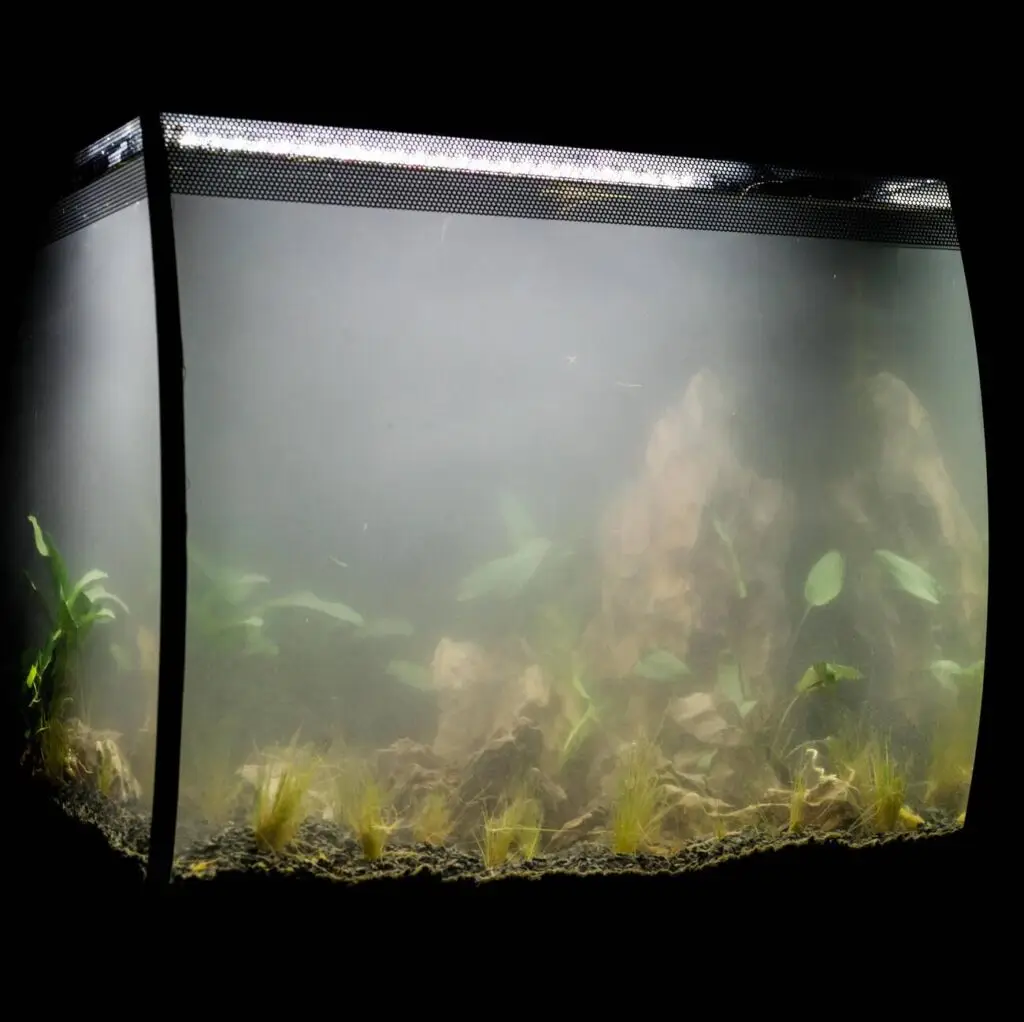
If you’ve set up a nano tank, you’ve probably noticed something strange. It goes cloudy for no clear reason, whenever it feels like it.
Nano tanks honestly have a mind of their own. Because they’re small, even tiny mistakes show up instantly. Cloudy water, algae, strange smells, weird films on the surface, the whole package shows up fast.
But over time, and after more accidental tank crashes than I care to remember, I figured out what actually keeps nano tanks looking crystal clear day after day. And no, it’s not magic. It’s just small habits done right.
Let’s break it down like a normal human, not a textbook.
1. Don’t Overfeed (This Alone Fixes 50% of Cloudy Tanks)
This is the most common reason nano tanks get dirty.
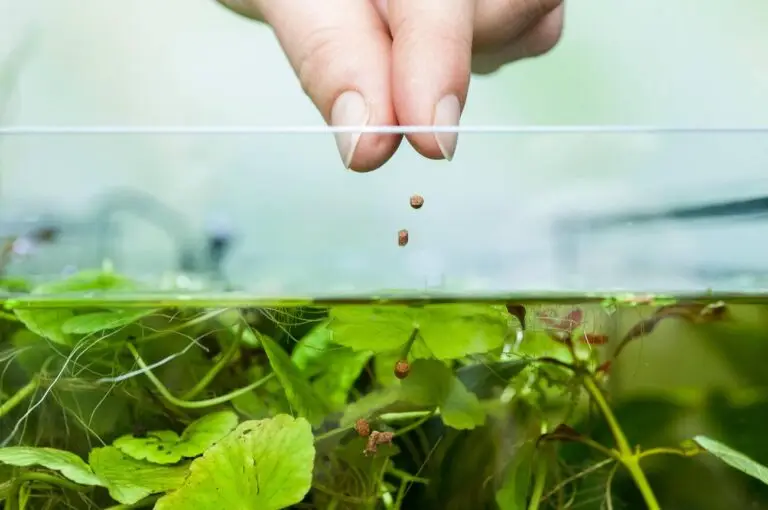
We feed our fish like they’re starving — but in reality, they eat tiny amounts.
Rule of thumb:
If food is still floating after 2 minutes → too much.
In a small tank, even a couple of extra pellets rot and cloud the water.
Pro tip:
Feed less but more often. Small tanks love consistency.
2. Clean the Glass Once a Week (Takes 30 Seconds)
You don’t need to scrub aggressively.
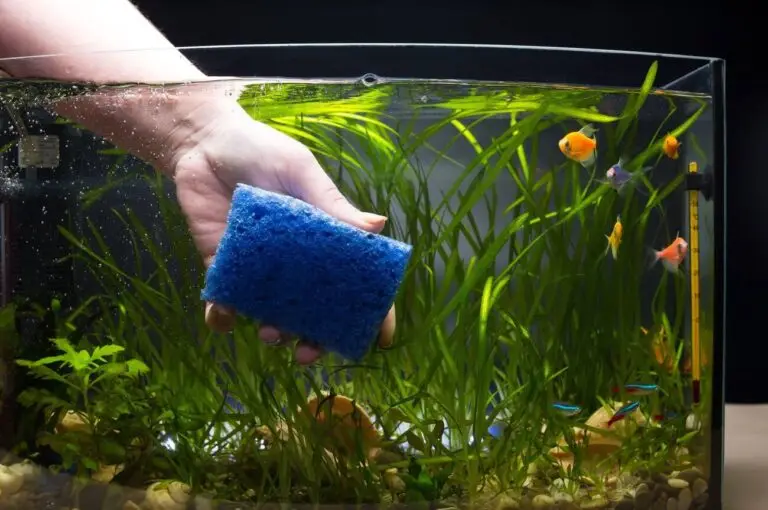
Just use a small magnetic cleaner or sponge to wipe off the biofilm.
This small habit prevents algae from spreading later.
If you skip this for weeks… yeah, the tank turns into a green smoothie.
3. Add Live Plants (They’re Nature’s Water Filter)
People underestimate this.
Even one fast-growing plant can keep water clearer than any chemical.
Best “water-polisher” plants for nano tanks:
-
Water wisteria
-
Vallisneria
-
Floating plants (salvinia, frogbit)
-
Hornwort
-
Guppy grass
Plants eat up excess nutrients → less algae → cleaner water.
4. Do Small, Weekly Water Changes
With nano tanks, small changes are better than big ones.
Do this:
-
20–30% water change
-
Once a week
Don’t do this:
-
80% water change once a month
-
It shocks the tank and makes things worse
Use a siphon to remove debris from the bottom — but don’t go crazy cleaning the gravel every time.
5. Rinse Filter Sponges in Tank Water (Not Under the Tap!)
This is a mistake almost every beginner makes.
Tap water kills beneficial bacteria instantly.
Instead:
Remove your sponge
Dunk it in old tank water
Squeeze gently
Put it back
Your filter stays strong, and the water stays clear.
6. Make Sure Your Filter Has Enough Flow
Nano tanks often come with tiny, weak filters.
If the water isn’t circulating properly:
-
Dirt settles
-
Water stagnates
-
Surface film forms
-
Tank gets cloudy
You don’t need a crazy strong filter — just enough flow to move the surface.
7. Don’t Panic When a New Tank Gets Cloudy
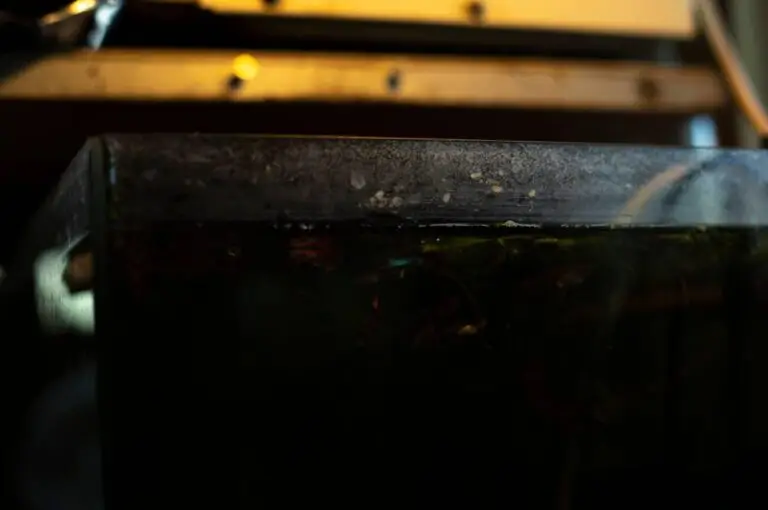
New tank cloudiness → totally normal
It’s literally bacteria getting their act together.
This happens especially in nano tanks.
What to do?
Nothing. Seriously.
Don’t keep changing water every day.
Just let the tank cycle and it clears on its own.
8. Avoid Overusing Water Conditioners and “Clear Water” Chemicals
A lot of beginners add too many “quick-fix” liquids.
Truth is:
Most clear-water bottles only clump particles together temporarily.
They don’t solve the root issue.
Use them sparingly — if at all.
9. Control the Light (Your Algae Will Thank You)
Too much light = algae.
Too little light = plants suffer.
Stick to:
6–8 hours of light per day
Use a timer so you don’t forget.
Nano tanks are VERY sensitive to extra light — even from a nearby window.
10. Don’t Overcrowd Your Nano Tank
A tiny tank with too many fish = cloudy water every day.
Simple stocking suggestions:
10–20L → shrimp, snails, micro rasboras
20–30L → 6–8 small schooling fish
30L+ → endlers, small tetras, a single betta
The fewer the fish → the cleaner the water.
My Personal “Nano Crystal Clear Routine”
Here’s what I do in my own tanks:
Every day:
-
Feed very lightly
-
Check filter flow
-
Make sure plants look okay
Every week:
-
25% water change
-
Wipe front glass
-
Quick sponge rinse (only if needed)
Every 2–3 weeks:
-
Trim plants
-
Clean surface film using a tissue
That’s it. No magic, no chemicals.
Pingback: Small Fish Tank Setup Ideas for Beginners
Pingback: Best Nano Tank Setups for Small Aquariums