
(Natural flow, little imperfections, no robotic tone)
Root tabs are one of those simple aquarium tools that make a big difference, especially if you keep heavy root-feeding plants. But a lot of beginners either use them wrong or expect instant magic. Root tabs work quietly underground, feeding your plants from the bottom up, and when used properly, they help plants grow stronger, greener, and faster without needing high-tech equipment.
Here’s a clear, easy explanation of how to use root tabs the right way so your plants actually benefit from them.
Why Root Tabs Matter for Some Plants
Not every plant needs root tabs, but many popular ones do. Plants like Amazon swords, crypts, vallisneria, dwarf sag and most large-root plants pull most of their nutrients through their roots. If your substrate is plain sand or gravel, these plants basically starve unless you give them something to feed on.
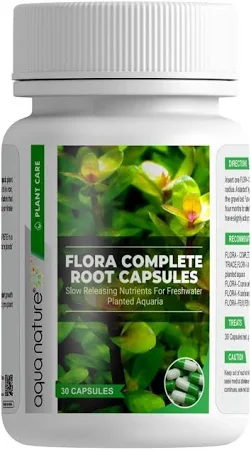
Root tabs act like tiny fertilizer capsules placed right where roots grow. Slow, steady nutrition.
Where to Place Root Tabs
This is where many people get confused. Root tabs don’t go “under the tank” or “next to the filter.” They go directly into the substrate, near the plants that need them.
The best method is simple:
• Push the root tab deep under the plant’s base
• Make sure it sits a little away from the stem, not touching it
• Cover it completely so nothing leaks into the water column
If you place them too close to the stem, some delicate plants might melt a bit. If you place them too far away, the roots may not reach them in time.
A small distance from the actual plant crown is just right.
How Often Should You Replace Root Tabs
Most root tabs last anywhere around one to three months. It depends on the plant and how hungry it is. Faster-growing plants, like swords or vallisneria, finish the nutrients quicker. Slower plants take longer.
A simple rule:
If an area of your tank starts yellowing or looking weak, that spot probably needs a fresh tab.
You don’t have to replace all tabs at the same time. Only refresh the spots where plants seem to be slowing down.
How Many Root Tabs to Use at Once
Don’t overdo it. Using too many root tabs at once can cause ammonia spikes in small tanks. It’s better to space them out instead of dropping a handful in one go.
For a beginner 20–40 litre tank, a few tabs around the main heavy root plants is enough. You can always add more later when the plants request it through their growth.
Do Root Tabs Cause Algae
Not usually. Root tabs stay underground and release nutrients very slowly. Algae problems usually come from too much light or too many nutrients floating in the water column, not from fertilizer buried deep in the substrate.
If you notice algae after adding root tabs, it’s almost always a lighting issue or overfeeding—not the tabs themselves.
Signs Your Plants Need Root Tabs
Plants usually give small hints when they’re hungry:
• Leaves turning transparent or pale
• New growth coming in tiny or weirdly shaped
• Crypts melting slowly
• Swords losing older leaves fast
If any of this happens, chances are the roots are starving. A root tab pretty much fixes the problem over time.
Final Thoughts
Root tabs are one of the easiest ways to boost plant health in a low-tech aquarium. They don’t make a mess, they don’t complicate anything, and they feed your plants exactly where they need it. Just place them deep, space them out, and refresh them when the plants start slowing down. A little patience goes a long way with root feeders, but once their roots pick up the nutrients, they become some of the strongest plants in your aquarium.