
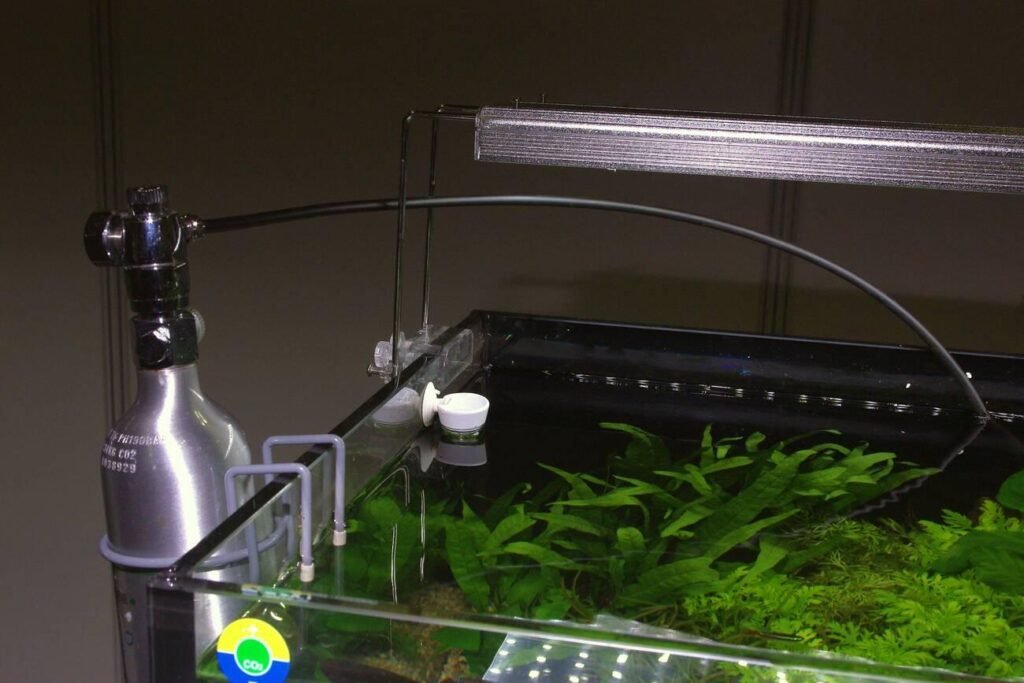
Carpet plants are one of those things every aquascaper dreams about. A bright green lawn at the bottom of the tank makes the whole aquarium look clean, fresh and professionally designed. The only problem? Most beginners think you must have pressurised CO₂ to get a carpet. And while CO₂ definitely helps, you can still grow a beautiful carpet in a low-tech tank if you choose the right plants and set things up correctly.
If you’ve ever tried carpeting plants and watched them melt, turn yellow or stop growing, don’t worry — that’s normal. Low-tech carpeting isn’t impossible. You just have to play by different rules.
Let’s walk through it in a very simple, real-world way.
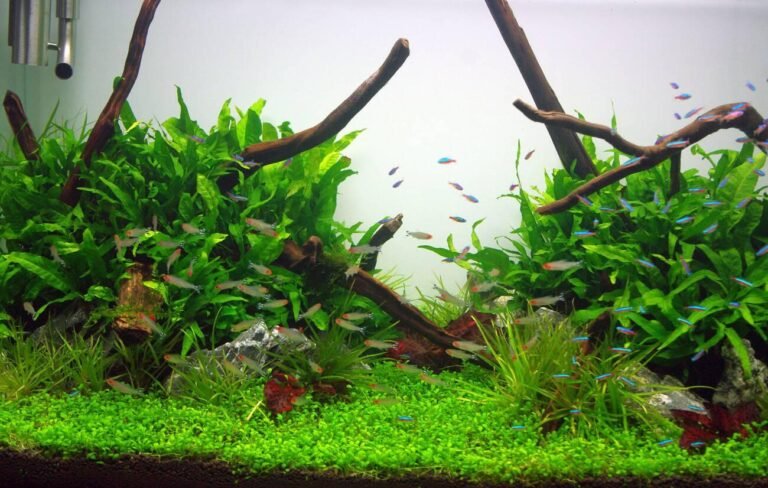
Choose Plants That Don’t Need High CO₂
This is honestly the biggest secret. Some carpet plants are divas. Others are chill. If you’re not using CO₂, pick plants that naturally survive in low-energy environments.
Here are the easiest carpet plants for low-tech tanks:
• Dwarf Sagittaria
Almost grows like grass. Very forgiving and spreads slowly but steadily.
• Marsilea Hirsuta / Marsilea Minuta
Looks like tiny clover. Extremely reliable in low light and low-tech tanks.
• Cryptocoryne Parva
Slowest-growing carpet plant in the world, but so tough. Once it settles, it forms a lovely low carpet.
• Pearlweed (Hemianthus Micranthemoides)
Can be trimmed into a carpet. Very beginner-friendly.
• Monte Carlo (in strong light)
You can grow Monte Carlo without CO₂, but you need good light and patience. It grows slower but it works.
Choosing an easy plant is half the battle won.
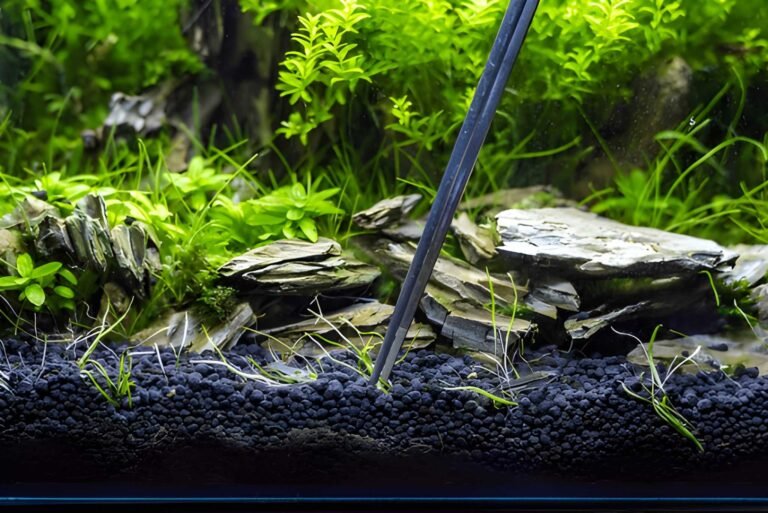
Use a Nutrient-Rich Substrate
Carpet plants rely heavily on roots. In low-tech tanks, the substrate becomes the plant’s main power source.
If you can, use:
• Aquarium soil
or
• Sand/gravel with root tabs under the carpet area
Nutrient-rich substrates help the plant settle quickly, anchor firmly, and spread naturally. Even if your lighting isn’t very strong, good substrate can carry the plant through.
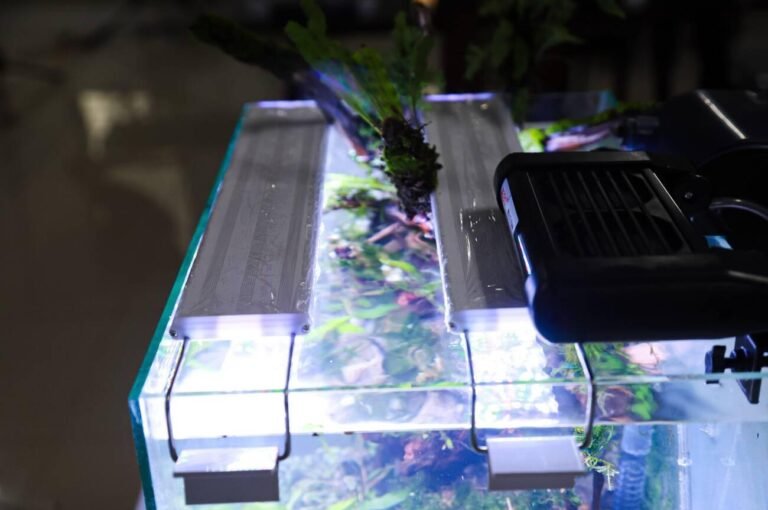
Give Your Carpet Plant Strong, Consistent Light
You don’t need fancy “CO₂-strength” lighting, but you do need decent light intensity at the bottom of the tank. Carpet plants won’t thrive in dim or old lights.
A modern LED aquarium light (Chihiros, Twinstar, NICREW, Wavemaker, etc.) is perfect. Keep the light schedule around 6–8 hours a day.
Too much light without CO₂ will just cause algae. Balanced lighting helps the carpet grow tight and healthy.
Plant More Stems, Not Less
This is a small tip that makes a massive difference. When you plant carpets, don’t plant one tiny clump and hope it spreads. It won’t. Not in low-tech.
Instead:
• Break the plant into small pieces
• Plant them close together
• Cover the whole foreground area
This helps the plant fill out evenly and prevents “bald spots”.
Avoid Constant Uprooting and Disturbing the Carpet
Once planted, don’t touch it too often. Carpet plants take time to root deeply. If you uproot them or disturb the substrate, they get stressed and stop growing.
Just plant, keep the environment stable, and let time do the rest.
Add Liquid Fertiliser Weekly
Even in low-tech tanks, carpets need iron, potassium and micronutrients. A simple all-in-one liquid fertilizer once or twice a week works wonders.
You don’t need anything fancy — just something that provides balanced nutrients.
Good fertilisation + good substrate = strong root growth.
Keep the Tank Algae-Free and Stable
Carpet plants grow slow in low-tech tanks. Algae grows fast. This means you have to stop algae from taking over.
Here’s what helps:
• Keep lighting under control
• Do regular water changes
• Don’t overfeed fish
• Add fast-growing plants to absorb excess nutrients
The more stable your tank, the easier it is for carpets to spread.
Patience Is Your Best Tool
Low-tech carpeting is slow. There’s no way around it.
But slow doesn’t mean impossible.
With the right plant choice, good lighting, decent substrate and stable conditions, you’ll see small runners spreading, new leaves forming, and the carpet filling out week by week.
When it finally covers the foreground, it feels incredibly satisfying — especially because you did it without CO₂.
Pingback: Best Nano Tank Setups for Small Aquariums