
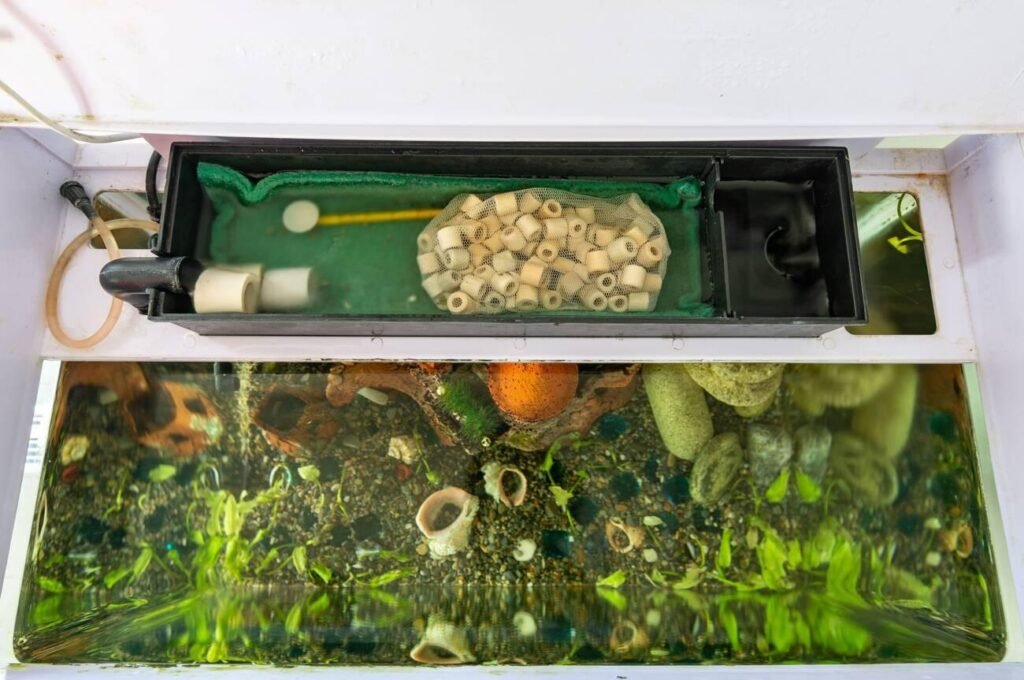
(A simple guide from someone who has tried almost every type of filter at least once)
Choosing the right filter can feel confusing when you’re new to the aquarium hobby. Every shop has different advice, every brand claims to be the best, and online videos make even the simplest setup look complicated. But here’s the truth: the “right” filter is simply the one that keeps your water clean, stable, and suitable for the fish or shrimp you keep.
You don’t need the most expensive filter or the biggest one on the shelf. You just need something that fits your tank size, matches your livestock, and is easy enough for you to maintain regularly.
Let’s break it down in a simple way that actually makes sense.
Start With Your Tank Size and Stocking
A small 10–20 litre nano tank has very different needs compared to a 50 or 100 litre aquarium. Smaller tanks don’t need strong flow. Larger tanks need a filter that can move enough water to stay clean. If you keep messy fish like goldfish or cichlids, you’ll need more filtration. If you keep shrimp or nano fish, gentle and steady flow is better.
Tank size and fish type always decide the filter strength, not the other way around.
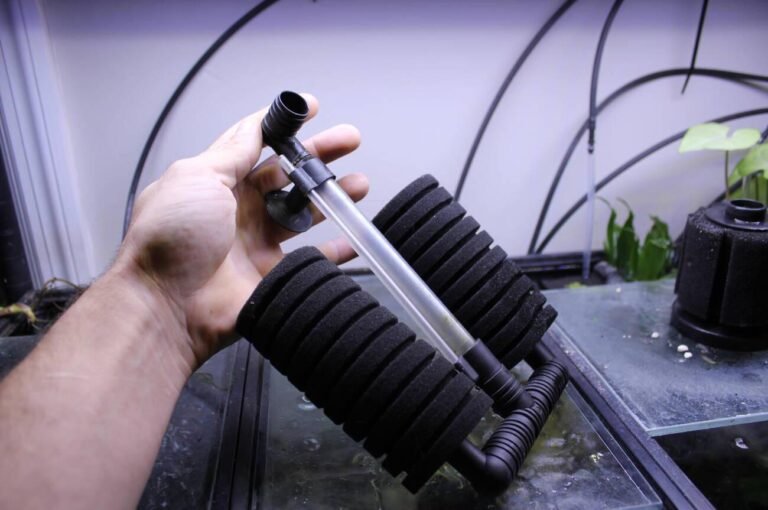
Sponge Filters: The Easiest and Safest Option
If you’re keeping shrimp, nano fish, bettas, fry, or a simple planted tank, sponge filters are almost perfect. They’re gentle, quiet, cheap to run, and incredibly safe. They won’t suck up baby shrimp or stress timid fish. The biological filtration they provide is excellent for beginners because they grow beneficial bacteria very easily.
The only downside is that they don’t give a strong flow, so they’re not ideal for very large tanks or big fish.
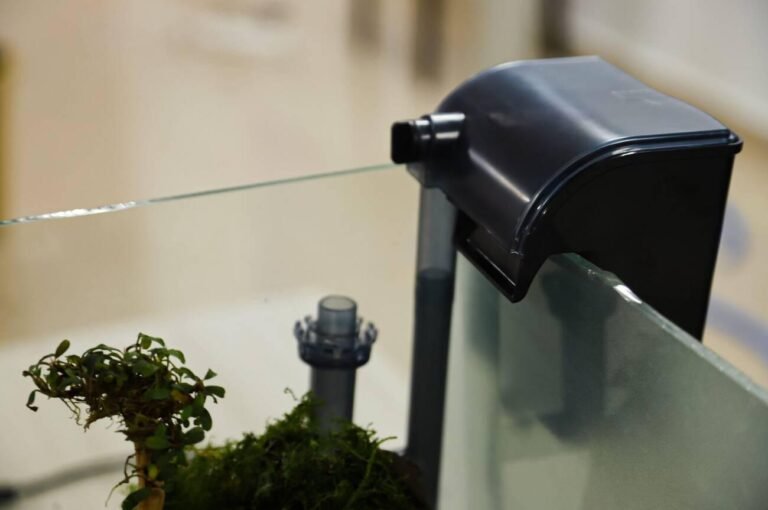
Hang-on-Back Filters: Great Balance of Power and Convenience
Hang-on-back (HOB) filters work well for most small to medium tanks. They offer stronger filtration than sponge filters, and they’re easy to clean since you can lift them right off the back of the tank. They also give good surface movement, which helps oxygen exchange.
They’re popular for community tanks because they’re powerful enough without being overwhelming. For shrimp tanks, it’s a good idea to add a pre-filter sponge over the intake.
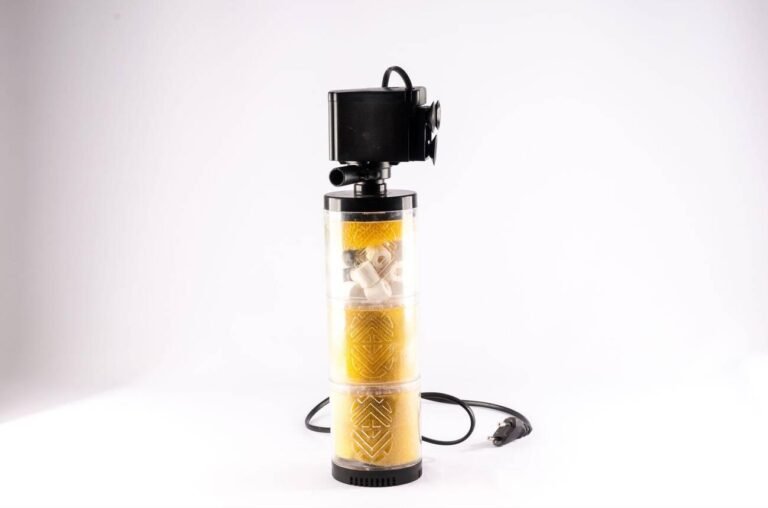
Internal Filters: Compact and Simple for Small Tanks
If you want a small filter that sits inside the tank, internal filters are a good choice. They’re not as gentle as sponge filters, but they provide reliable water movement and can fit into tight spaces. These work well in tanks where you don’t want equipment hanging outside or where you need more flow than a sponge filter can provide.
They’re also helpful for fry grow-out tanks or lightly stocked aquariums.
Canister Filters: Best for Larger or Heavily Stocked Tanks
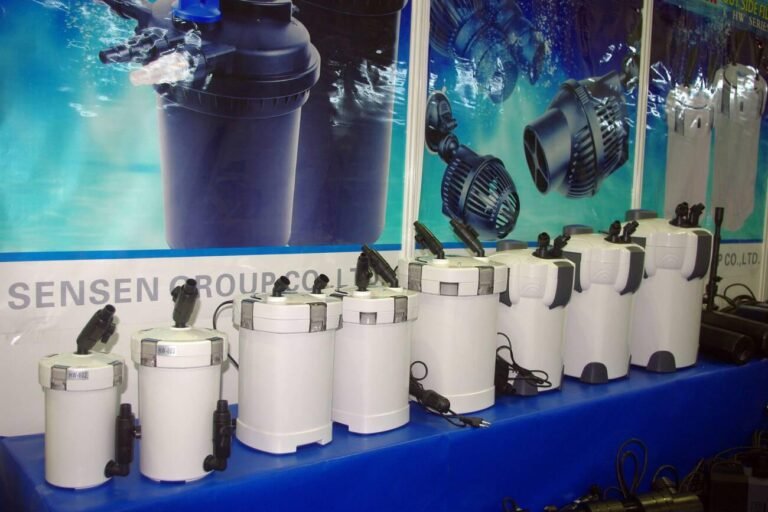
Canister filters are more powerful and hold more filter media than the other types. They’re ideal for tanks with lots of fish, messy eaters, or advanced planted setups. They sit outside the tank, operate quietly, and offer excellent biological filtration.
But they’re also more expensive and take more effort to clean. Beginners can use canisters successfully, but they’re not necessary for simple or small tanks.
Consider the Flow Level Your Fish Prefer
Not all fish like strong flow. Bettas prefer calm water. Shrimp are similar. Rasboras and tetras enjoy mild flow. Hillstream loaches, danios, and some catfish love strong flow. Choosing the wrong filter can stress your fish even if the water stays clean.
It’s always better to pick a filter that matches the natural environment of your fish.
Maintenance Matters More Than Brand or Model
A filter is only useful if you maintain it. Many beginners buy powerful filters but rarely clean them, which causes more problems. Choose something you feel comfortable rinsing every few weeks.
Sponge filters need simple squeezing in tank water.
HOB filters need the media rinsed and sometimes the impeller cleaned.
Canisters require more work but last longer between cleanings.
A filter you actually clean is far better than a fancy one you avoid touching.