
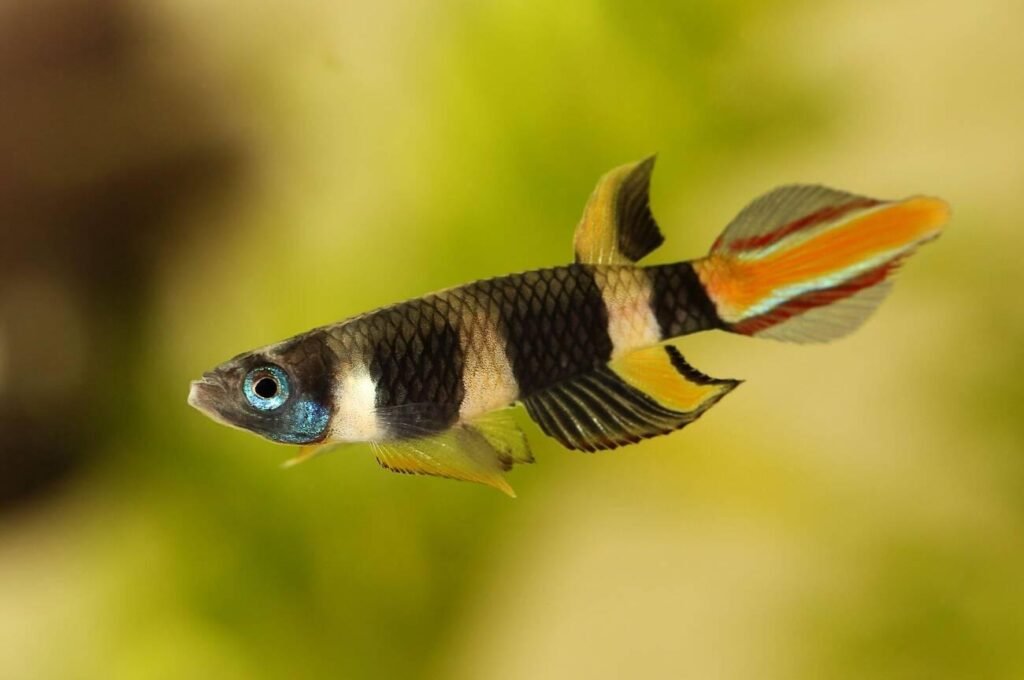
If you’ve ever seen an aquarium with tea-colored water and wondered whether something was wrong with it, you’ve probably already seen a blackwater aquarium. For beginners, blackwater tanks often look confusing. The water isn’t crystal clear, it looks brownish or amber, and yet the fish inside look calm, colorful, and healthy. That’s because blackwater aquariums are not dirty tanks. They’re actually designed to copy some of the most natural fish habitats in the world.
Blackwater aquariums are inspired by rivers, streams, and flooded forest areas found mainly in South America and parts of Asia. These waters naturally look dark because of decaying leaves, wood, and organic matter. Fish that come from these environments have evolved to live, breed, and thrive in this type of water. When done right, a blackwater aquarium feels peaceful, soft, and very natural.
Let’s break everything down step by step, without overcomplicating it.
What Does “Blackwater” Really Mean
Blackwater doesn’t mean black like ink. It’s more like weak tea or light coffee. The color comes from tannins and humic acids released by driftwood, leaves, and natural plant matter. These substances slowly stain the water and lower the pH slightly.
In nature, blackwater rivers often flow through dense forests. Sunlight is filtered by trees, leaves fall into the water, and the ground is usually sandy with lots of wood. The water ends up soft, acidic, and slightly dark. Fish living there are used to low light, gentle flow, and calm conditions.
A blackwater aquarium simply tries to recreate that environment inside a glass tank.
Why People Choose Blackwater Aquariums
Many hobbyists choose blackwater tanks not because they look fancy, but because they feel calm and natural. Fish behave differently in blackwater. They show less stress, brighter colors, and more natural behavior.
Some people also notice that fish breed more easily in blackwater setups. That’s because the water conditions closely match what they experience in the wild.
Another reason is maintenance. A well-balanced blackwater tank often feels more forgiving. Algae growth is slower, light doesn’t need to be very strong, and fish seem more relaxed overall.
Fish That Love Blackwater Tanks
Not all fish enjoy blackwater. But many popular aquarium fish come directly from these environments.
Some of the best blackwater fish include:
• Neon tetras
• Cardinal tetras
• Ember tetras
• Discus
• Angelfish
• Apistogramma
• Rams
• Betta fish
• Gouramis
• Pencilfish
• Rasboras
When these fish are kept in blackwater, their colors often look deeper and richer. Reds look redder. Blues look softer but more elegant.
How Blackwater Affects Water Parameters
One of the biggest changes in a blackwater aquarium is water chemistry.
Blackwater usually means:
• Lower pH
• Softer water
• Fewer dissolved minerals
This happens naturally because tannins and organic acids slowly soften the water. For fish that prefer soft, acidic conditions, this is perfect. For fish that need hard water, it’s not ideal.
The important thing to understand is stability. Fish don’t need perfect numbers. They need stable numbers. Blackwater tanks tend to be stable once established.
Does Blackwater Mean Dirty Water
This is the biggest misunderstanding.
Blackwater water may look dark, but it can be extremely clean. In fact, many blackwater environments have very low bacteria and parasite levels because tannins have mild antibacterial properties.
Clear water can still be toxic. Dark water can still be safe.
What matters is ammonia, nitrite, nitrate, oxygen, and stability. Color has nothing to do with cleanliness.
Plants in a Blackwater Aquarium
Blackwater tanks don’t usually focus heavily on plants. In nature, many blackwater areas don’t have dense plant growth because light penetration is low. Instead, they have wood, leaves, and shaded areas.
That said, some plants do very well in blackwater aquariums.
Good choices include:
• Anubias
• Java fern
• Cryptocoryne
• Vallisneria
• Amazon sword
• Floating plants
Floating plants are especially useful because they soften the light even more and help create that natural forest-river feeling.
Plants may grow a bit slower in blackwater, and that’s normal. Slow growth also means less trimming and less algae.
Substrate Choice for Blackwater Tanks
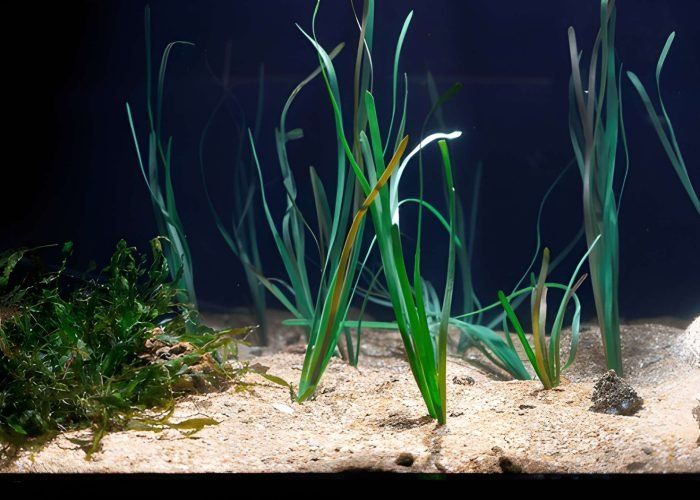
Most blackwater aquariums use dark substrates. Sand is very common because it matches natural riverbeds. Fine gravel also works.
You don’t need nutrient-rich soil unless you plan to keep heavy root-feeding plants. In fact, many blackwater tanks work beautifully with plain sand, leaf litter, and driftwood.
The look is simple, earthy, and calm.

Driftwood Is the Heart of Blackwater Tanks
Driftwood plays a huge role in blackwater aquariums. It releases tannins slowly and creates hiding places for fish. It also breaks up line of sight, which reduces aggression.
Common driftwood choices include:
• Mopani wood
• Malaysian driftwood
• Spider wood
• Mangrove wood
The more wood you use, the stronger the blackwater effect will be. But you don’t need to go extreme. Even one or two pieces can change the whole feel of the tank.
Leaf Litter and Natural Materials
Leaves are another key part of blackwater aquariums. Indian almond leaves, guava leaves, oak leaves, and similar dried leaves slowly decompose and release tannins.
They also:
• Provide hiding spots
• Encourage natural foraging
• Support micro-organisms
• Look very natural
As leaves break down, shrimp and small fish often graze on them. The tank feels more alive.
You don’t need to remove leaves quickly. Let them break down naturally and replace them when needed.
Lighting in a Blackwater Aquarium
Strong lighting is not needed. In fact, too much light can ruin the blackwater mood.
Soft, warm lighting works best. Many people reduce lighting hours to around 6 or 7 hours a day. The goal is gentle illumination, not bright spotlighting.
Floating plants, tinted water, and wood shadows all work together to create depth and calmness.
Filtration and Flow
Blackwater fish prefer gentle flow. Strong current stresses them and removes the calm feeling.
Sponge filters, hang-on-back filters with reduced flow, or canister filters with spray bars work well. Surface movement is still important for oxygen, but it doesn’t need to be aggressive.
The tank should feel slow and peaceful.
How to Create Blackwater Effect Safely
You don’t need chemicals to create blackwater. Natural methods are safer and more stable.
Common methods include:
• Adding driftwood
• Using leaf litter
• Adding peat or botanical materials
• Using tannin-rich extracts (optional)
The color should develop slowly. Sudden changes are not good. Fish handle gradual changes much better.
Maintenance of a Blackwater Aquarium
Blackwater tanks are surprisingly easy to maintain once stable.
Water changes are still important, but many people do smaller, regular changes instead of large ones. This helps maintain tannin levels and prevents sudden shifts.
When you change water, the tank might lighten slightly. Over time, the color returns naturally as wood and leaves continue releasing tannins.
Filters should be cleaned gently, just like any aquarium.
Common Beginner Mistakes
Some common mistakes include:
• Trying to keep hard-water fish in blackwater
• Removing all tannins because the water “looks dirty”
• Using very bright lighting
• Over-cleaning the tank
• Expecting plants to grow fast
Blackwater tanks reward patience. The slower you rush things, the better they look.
Is a Blackwater Aquarium Right for You
If you love natural-looking tanks, calm fish behavior, and minimal maintenance, blackwater aquariums are a great choice. They’re especially good for people who prefer a peaceful, forest-style look rather than bright green plant jungles.
If you want crystal-clear water and fast plant growth, blackwater might not be your style. And that’s okay. There’s no right or wrong, only preference.
Final Thoughts
A blackwater aquarium isn’t about dark water. It’s about recreating a natural environment where fish feel safe and relaxed. When done correctly, blackwater tanks look elegant, peaceful, and alive in a very subtle way. They don’t scream for attention, but they draw you in quietly.
For beginners, blackwater setups can actually be easier than they look. Simple plants, soft lighting, wood, leaves, and patience go a long way. Once the tank matures, it almost feels like it takes care of itself.