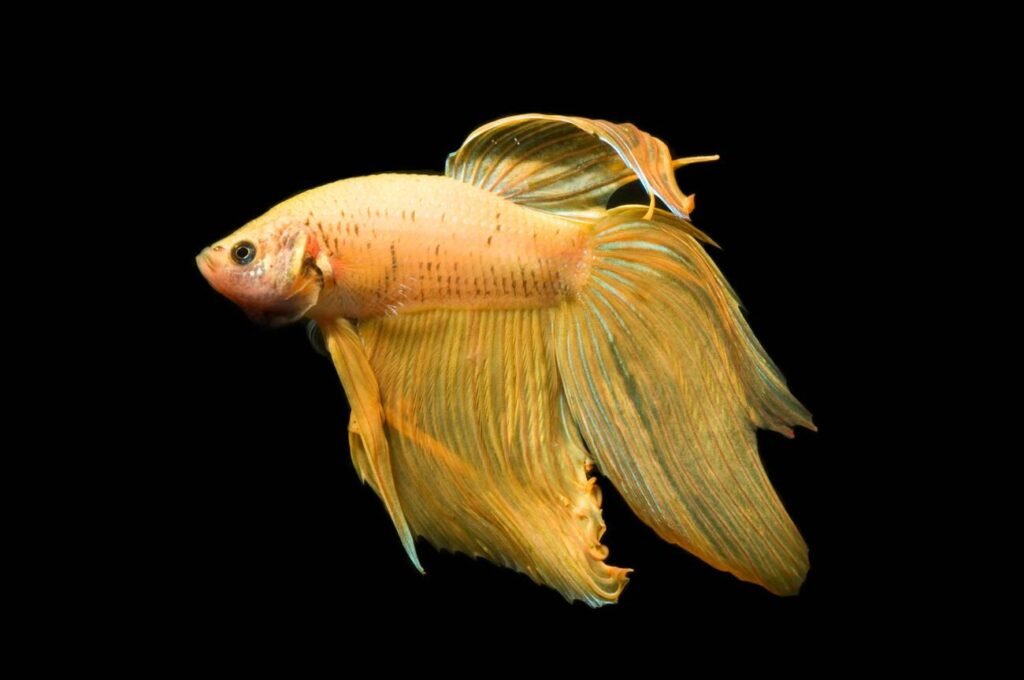
Betta fish are known for their big, flowing fins, so when those fins start curling or folding, it’s pretty hard to ignore. It looks like something serious is wrong, but most of the time fin curling comes from a few simple issues that are easy to fix once you know what’s causing them.
Let’s go through the real reasons your betta’s fins curl and what you can do to straighten things out.
Hard Water Can Make Fins Curl
This is one of the most common reasons. Hard water has a lot of minerals, and over time, those minerals can build up on the fin edges. The fins stiffen and curl like a dried leaf.
It isn’t dangerous right away, but it tells you the water isn’t ideal.
If your water is very hard, mixing a bit of RO/filtered water with tap water can help soften it. You don’t have to make it perfect — just reduce the hardness a little.
Poor Water Quality Slowly Damages Fins
Even if the water looks clean, ammonia or nitrite can still be present. Bettas are sensitive, and bad water makes their fins curl, crack or even rot at the edges.
Early signs include:
• Curled fin tips
• Darkened edges
• Betta staying still or breathing faster
A quick test kit usually reveals the truth.
Small, regular water changes fix this faster than anything else.
Temperature Swings Stress Bettas
Bettas like warm, steady water. When the temperature keeps dropping at night or rising during the day, the stress can cause fin curling. Sometimes the betta acts normal but still shows curled fins as a long-term reaction.
Make sure the tank stays around 26–28°C with a reliable heater. Bettas hate temperature changes more than most people think.
Strong Filter Flow Puts Pressure on the Fins
If the filter flow is too strong, your betta might constantly fight the current. Over time, the fins twist or curl from the stress and the constant movement.
If your betta always hangs behind decorations or near calm areas, the flow is probably too strong.
You can fix this by:
• Adding a sponge to the output
• Using a flow reducer
• Aiming the flow toward the glass
Bettas prefer gentle, slow-moving water.
Genetics: Some Bettas Naturally Curl (Like mine)
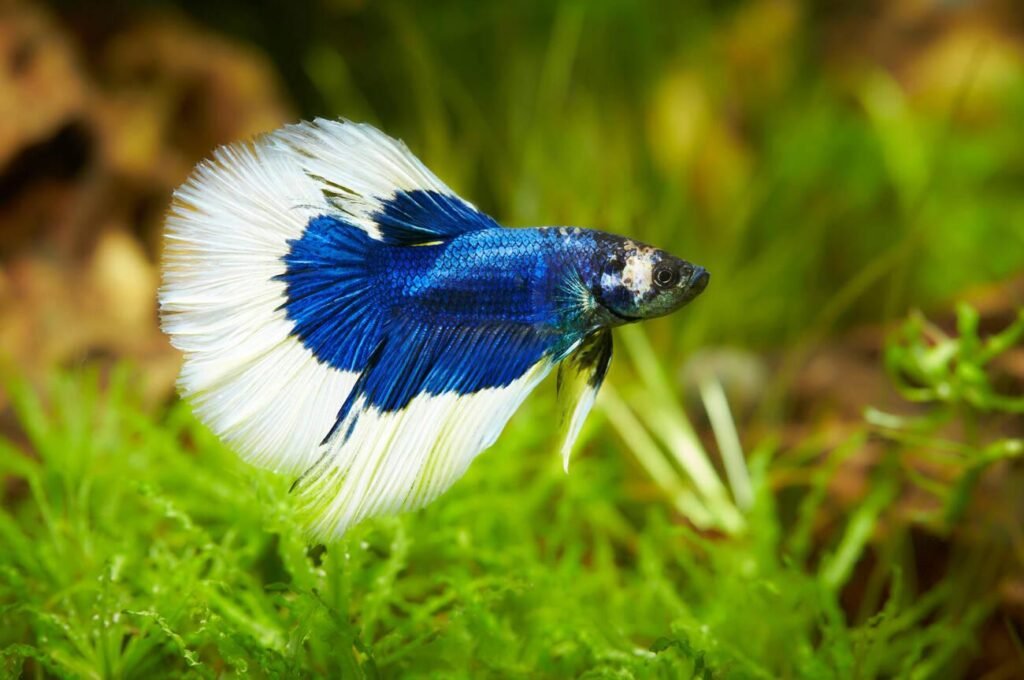
This one surprises people. Some bettas are just born with slightly weak fin structure. These are usually big-finned types like halfmoons. Their fins are heavy, and sometimes curling is just part of their genetics.
If your water is good and the betta behaves healthy, and the curl stays the same over time, it’s nothing to worry about.
Fin Damage From Decorations
Sharp decorations, rough rocks or pointy plastic plants can cause fins to bend, wrinkle or tear. Bettas like squeezing through tight spaces, and their fins get caught easily.
If you run your finger along the decoration and it feels sharp, it’s too sharp for a betta.
Switch to smooth decor or silk plants.
Fixing Betta Fin Curling (The Simple Way)
Here’s what helps most cases:
• Keep temperature steady and warm
• Do small weekly water changes
• Reduce hard water if needed
• Calm the filter flow
• Remove sharp decorations
• Use a gentle fertilizer if you have live plants
• Keep the betta in a stress-free environment
The fins won’t straighten overnight, but once the issue is fixed, new growth will look proper again. Old curled edges may stay curled, which is normal, but your betta will look healthier overall.
Final Thoughts
Fin curling is one of those annoying but fixable betta problems. It almost always comes from stress, water issues, or genetics — not something deadly. Once you stabilize the tank and keep things gentle and warm, bettas bounce back quickly. Watch the new fin growth; that’s where you’ll see real improvement.