
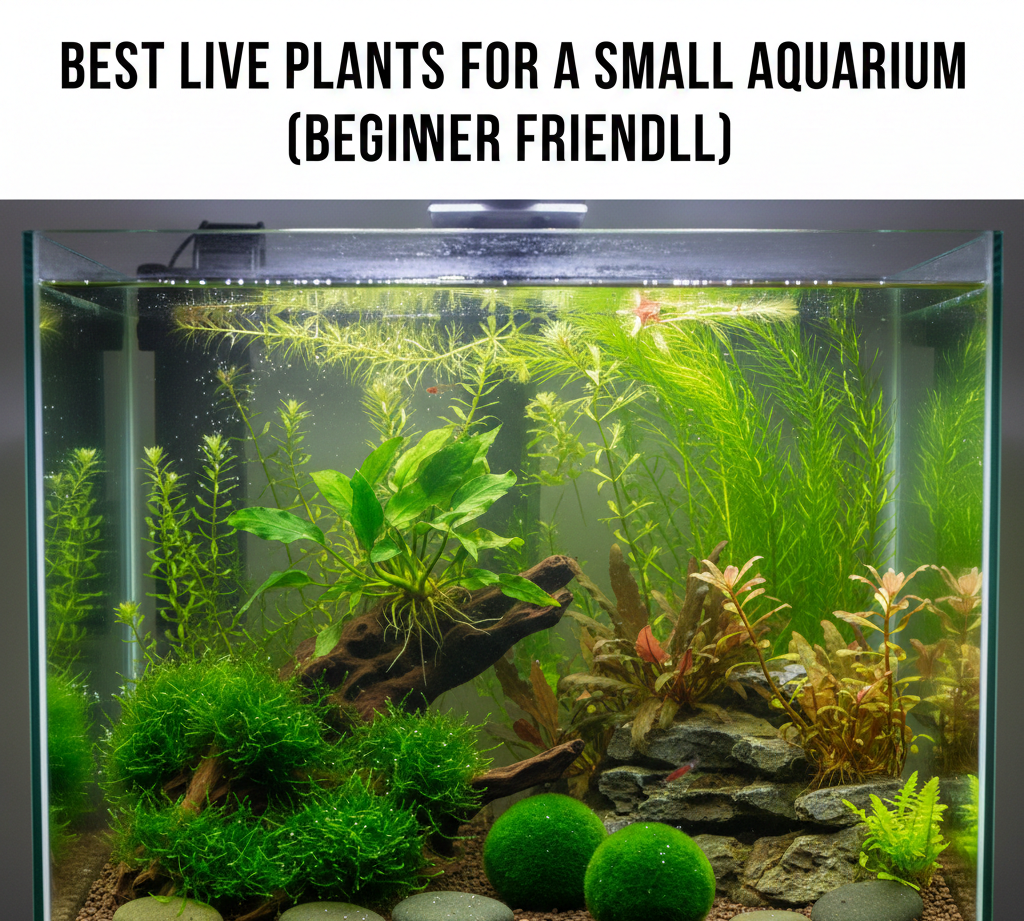
Best Live Plants for a Small Aquarium (Beginner Friendly)
Live plants will make any aquarium appear more natural and beautiful, but most beginners think plants are hard to keep. The truth is, some plants are straightforward, even for small tanks with no experience. Besides beautification, live plants clean the water, give places for fish to hide, reduce stress, and stabilize the aquarium. If you’re planning a small tank, this guide will help you in selecting the best beginner-friendly plants that grow so easily and don’t require fancy equipment.
1. Why Live Plants Are Good for Small Tanks
Small aquariums get dirty faster because there’s less water to dilute waste. Live plants help by absorbing ammonia, nitrate, and other harmful substances. They also produce oxygen during the day, which keeps fish healthy. Plants calm fish, especially shy species of fish like tetras, guppies, or bettas. In a small aquarium, the right plants make a huge difference in keeping your water clear and stable.
2. Choosing the Right Plants for Beginners
Beginners should choose plants that are:
-
Slow-growing
-
Low maintenance
-
Able to survive in low-to-medium light
-
Not demanding about fertilizers or CO₂
Suitable for small tanks
The plants listed below are proven to survive even with simple setups and basic lighting.
3. Best Live Plants for Small Aquariums
1. Anubias Nana
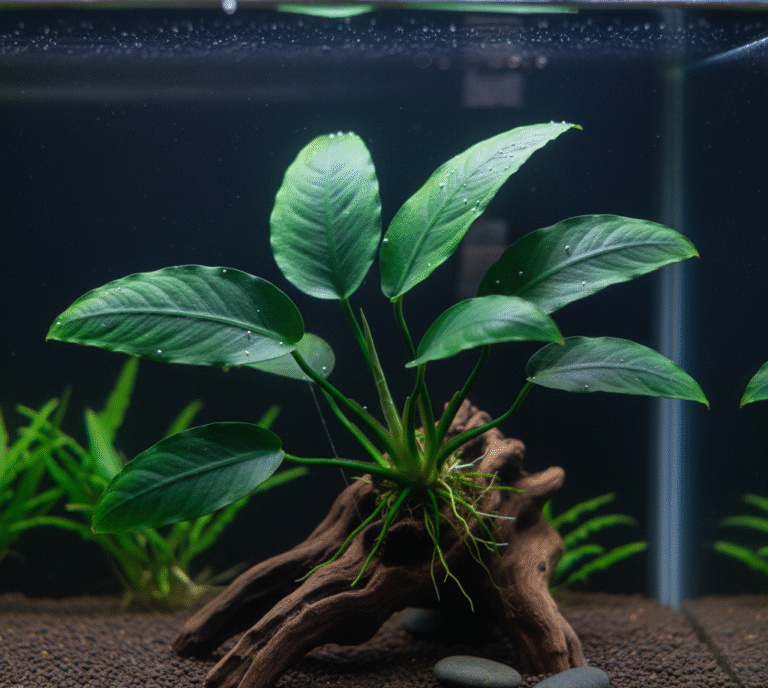
Anubias is one of the most popular beginner plants. It grows quite slowly and has thick, dark green leaves. You don’t plant its roots in the soil; instead, tie it to a rock or driftwood. It doesn’t require strong light and does well even in low-tech tanks. Because it grows slowly, it doesn’t need much trimming either. For bettas, shrimp, and small fish, Anubias Nana is perfect.
2. Java Fern
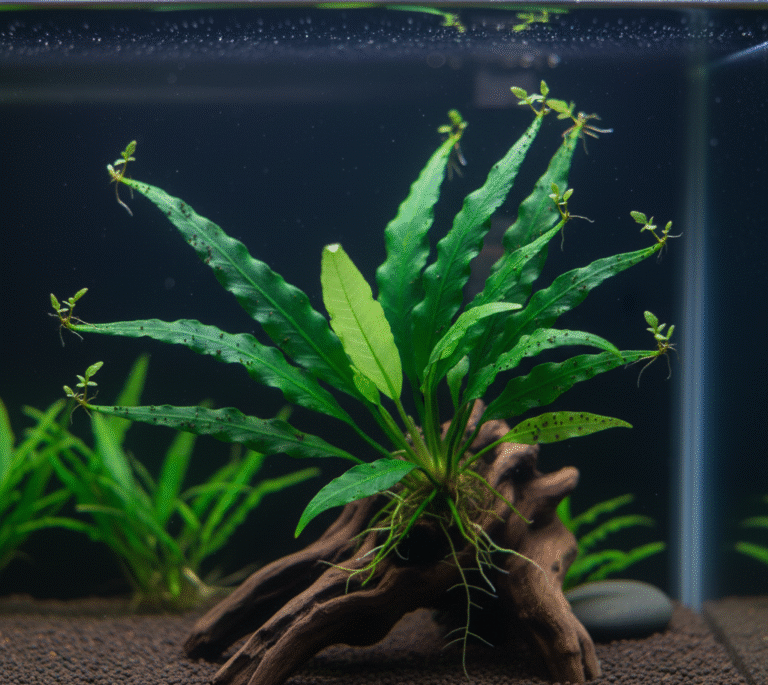
Java Fern is another great plant for beginners. This plant grows in low light and requires no CO₂ or fertilizers. Like the Anubias, you also have to attach its root to a stone or wood without burying it. Java Fern spreads out slowly and forms beautiful leafy sections that fish love to hide in. It’s great for 10-20 liter tanks.
3. Java Moss
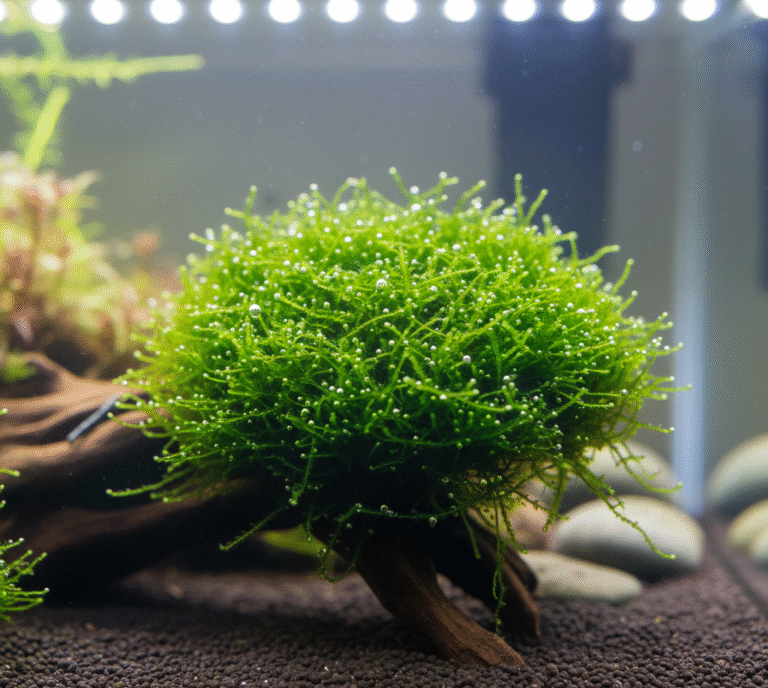
Java Moss is virtually unkillable, which makes it perfect for new aquarists. It will grow on anything, from rocks to driftwood to floating. It’s great in a shrimp tank or small fish tank because it gives the baby fish places to hide. Moss helps to keep algae under control and maintains your tank in a natural appearance. It grows quickly but is easy to trim.
4. Water Wisteria
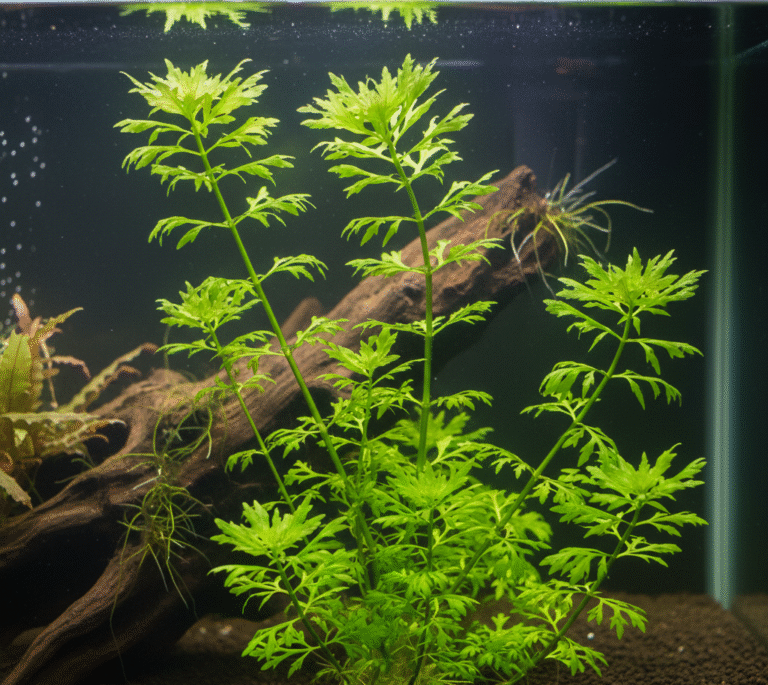
Water Wisteria grows faster compared to most beginning plants and cleans the water quickly, too. It will absorb much of the nutrients in the water and lower the levels of nitrate within. You can plant it in the substrate or let it float. Floating Wisteria forms this soft, shaded look on top and is great for those fish that like dim light, such as bettas.
5. Amazon Sword (for slightly bigger small tanks)
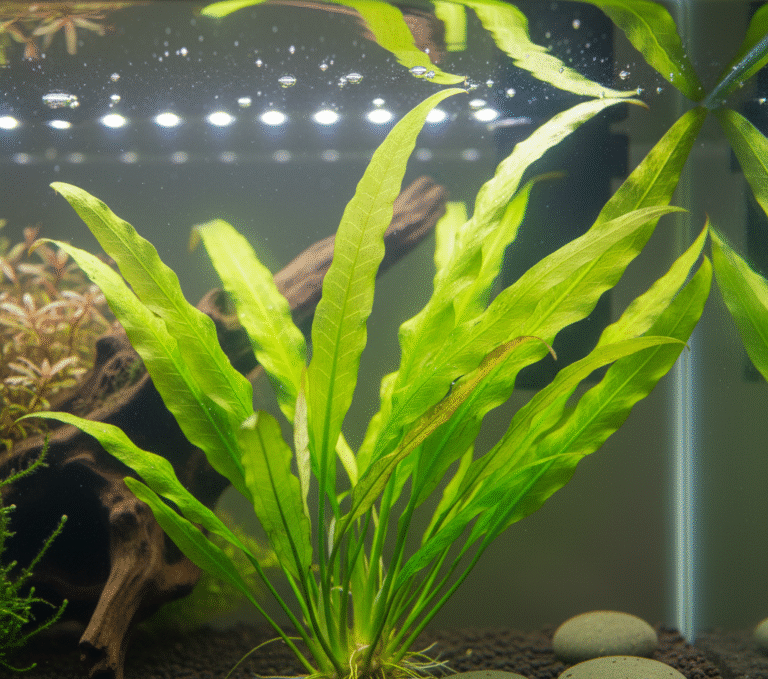
The Amazon Sword will be an ideal choice if your “small tank” is something between 20-30 liters in volume. It has long, bright green leaves and is able to grow into a centerpiece plant. It prefers medium light and does best in nutrient-rich soil. Though it may grow bigger, trimming keeps it controlled in a small tank.
6. Floating Plants (Duckweed, Salvinia, Water Lettuce)
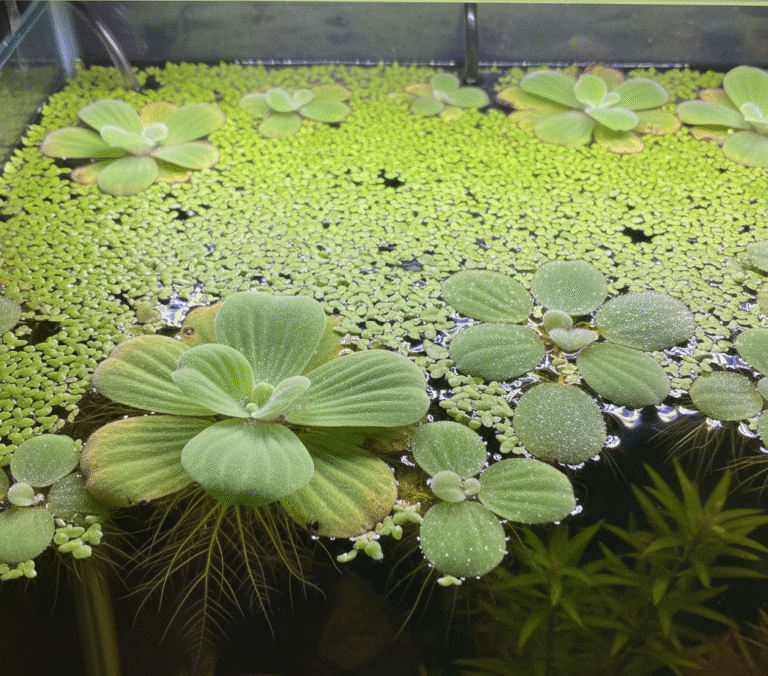
Floating plants are a game-changer for small aquariums. They block strong light, reduce algae growth, and make fish feel secure. Floating roots also absorb waste fast. While Duckweed grows extremely fast, Salvinia is easier to control, and Water Lettuce provides a natural, pond-like look. Just make sure they don’t cover the whole surface.
7. Cryptocoryne (Crypt)
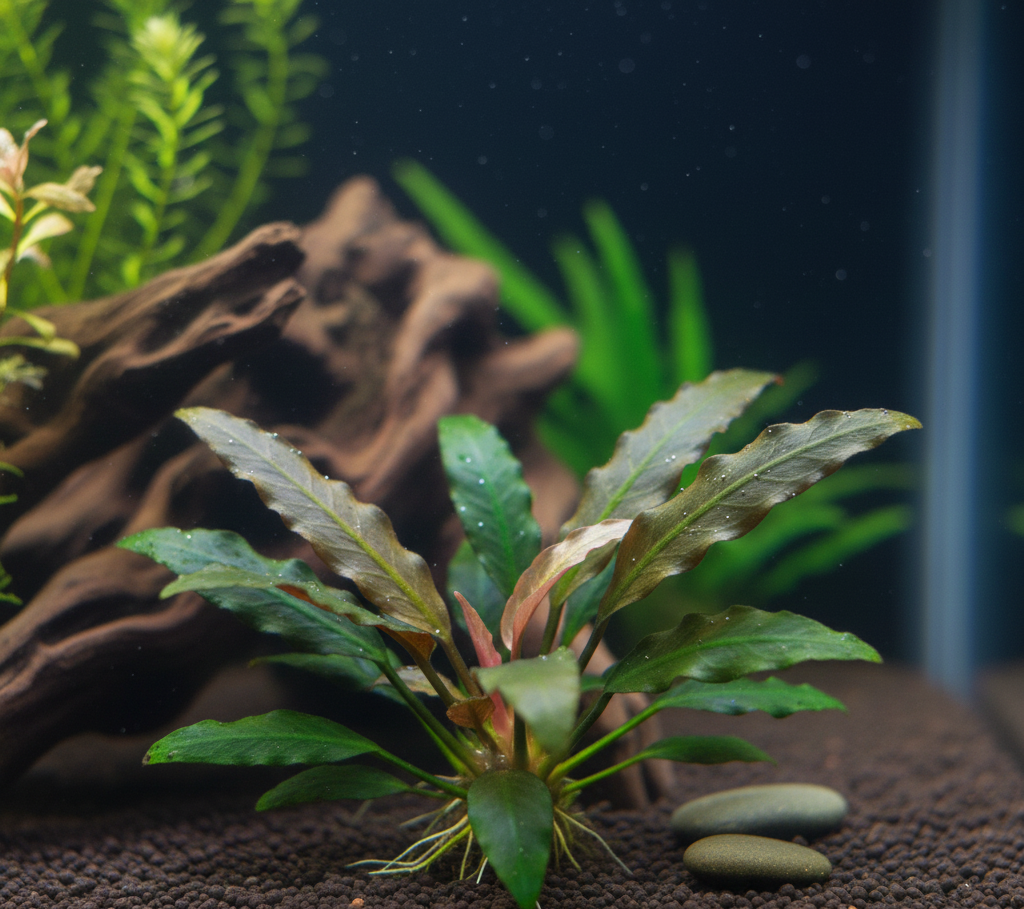
Crypts are slow-growing, easy to care for, and come in many sizes. Crypt Wendtii is best for small tanks; they don’t need high light or CO₂. The only thing to note with crypts is they melt when they’re newly planted, but after a week or two, they start growing fresh leaves.
4. Lighting for Beginner Tanks
You don’t need very expensive lighting for the above plants. Most basic aquarium LED lights are enough. Keep on the light for 6–8 hours a day. Too much lighting creates algae. If your lighting is strong, use some floating plants to soften it.
5. Do You Need Fertilizers or CO₂?
No, not for these plants. But adding a small amount of liquid fertilizer once a week can improve growth. CO₂ is completely optional. Beginner plants survive without it.
6. How to Care for Live Plants
Plant care is simple:
Trim dead or yellow leaves
Avoid burying rhizomes (for Anubias & Java Fern)
Don’t keep the tank in direct sunlight
Do weekly small water changes
Don’t overfeed fish (extra food causes algae)
Plants grow slowly at first but become fuller after a few weeks.
7. Mistakes Beginners Should Avoid
Buying high-demand plants like carpet plants or red plants
Using very strong lights
Planting Anubias or Java Fern roots in soil
Keeping too many floating plants
Not pruning the plants and over-crowding the tank.
Plants will grow strong and healthy if these mistakes are avoided.
Conclusion
A small aquarium can look amazing just with the right beginner-friendly plants, which don’t need special care or expensive equipment. Anubias Nana, Java Fern, Java Moss, Crypts, Water Wisteria, and floating plants are the best choices for a beginner. They work by cleaning the water, supporting your fish, and making the tank look more natural. When you finally add these plants, your aquarium becomes easier to maintain and more beautiful every week.