
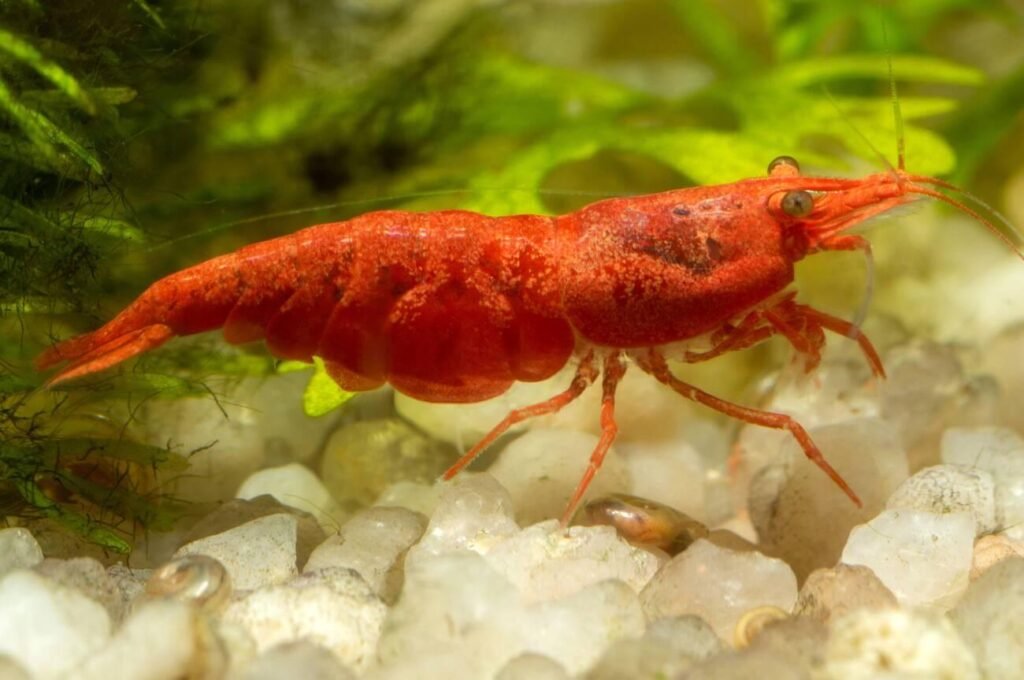
Red Cherry Shrimp Care Guide for Beginners
Red Cherry Shrimp are one of those pets you don’t really understand until you keep them. They look tiny and simple at first, but once you watch them grazing on plants, cleaning the glass, or carrying eggs, you suddenly get hooked. They’re peaceful, colourful, easy to care for, and perfect for small aquariums. If you’ve been thinking about starting your first shrimp tank, this guide will walk you through everything in a simple, human, beginner-friendly way.
What Makes Red Cherry Shrimp Perfect for Beginners
These shrimp are incredibly adaptable. They tolerate a range of water conditions, they don’t make a mess, and they actually help keep the tank clean. They’re also fun to watch. They move slowly, pick at surfaces all day, and bring life to any planted tank. The best part is that once they are comfortable, they multiply naturally, so you don’t need to do anything special for breeding.
The Ideal Tank Size and Setup
Even though shrimp are tiny, they need stability. A small 10 to 20 litre tank works really well because it’s big enough to avoid sudden water changes but small enough to maintain easily. Planted tanks are perfect for shrimp. Plants give them hiding spots, surfaces to graze on, and a natural environment where they feel safe.
A sponge filter is the safest choice. It provides filtration without sucking baby shrimp into the intake. Shrimp tanks do not need powerful flow or fancy equipment. A simple light, healthy plants, and a stable setup are enough.
Water Conditions They Prefer
Red Cherry Shrimp aren’t overly sensitive, but they do like consistent water conditions. A stable temperature around 22 to 26°C keeps them active. The pH can be slightly acidic to neutral to slightly alkaline. Most tap water works fine once it’s treated with a good dechlorinator.
What matters more than exact numbers is avoiding sudden changes. Shrimp react badly to big temperature drops or sudden pH shifts. So whatever water you use, keep it consistent during water changes.
Feeding: What They Actually Eat
Shrimp are natural grazers. They spend most of their day picking at surfaces and eating tiny bits of biofilm and algae. This already gives them a good portion of their diet. You don’t need to feed a lot. A small piece of shrimp food or algae wafer a few times a week is enough for a colony. Overfeeding is one of the most common beginner mistakes because leftover food pollutes the water quickly.
A good routine is to feed only what they finish in a couple of hours. If you notice leftover food, reduce the quantity next time.
Why Hiding Spots Are Important
Shrimp feel more confident when they have cover. Moss, driftwood, leaf litter, and dense plants give them places to hide and also collect micro-food. When shrimp feel safe, they show brighter colours, behave naturally, and breed more willingly. Moss—like java moss—is almost always present in successful shrimp tanks for this reason.
Keeping Them With Other Fish
Red Cherry Shrimp are peaceful and tiny, so not all fish are good tank mates. Most small peaceful fish like micro rasboras, ember tetras, and otocinclus are safe choices. Bettas, barbs, larger tetras, and anything with a big enough mouth may chase or eat them. If you want guaranteed success and lots of babies, a shrimp-only tank is always the best option.
Breeding: The Fun Part
One of the best things about Red Cherry Shrimp is how easily they breed. Females carry eggs under their belly, and after a few weeks, tiny baby shrimp appear. They look like little moving dots at first and slowly gain colour as they grow. You don’t need to do anything special for breeding. Just give them good food, clean stable water, and plenty of hiding spots. They handle the rest
Regular Maintenance and Water Changes
Shrimp do not like big changes, so gentle maintenance works best. A small weekly water change of around 20 percent is enough. Clean the glass lightly if needed, rinse the sponge filter in tank water, and keep the tank stable. Avoid using any copper-based medication or chemicals, as copper is harmful to shrimp.
Shrimp tanks actually get easier as time goes on. A mature tank with lots of plants, a layer of biofilm, and stable water becomes almost self-sustaining.
Pingback: Small Fish Tank Setup Ideas for Beginners
Pingback: Best Nano Tank Setups for Small Aquariums