
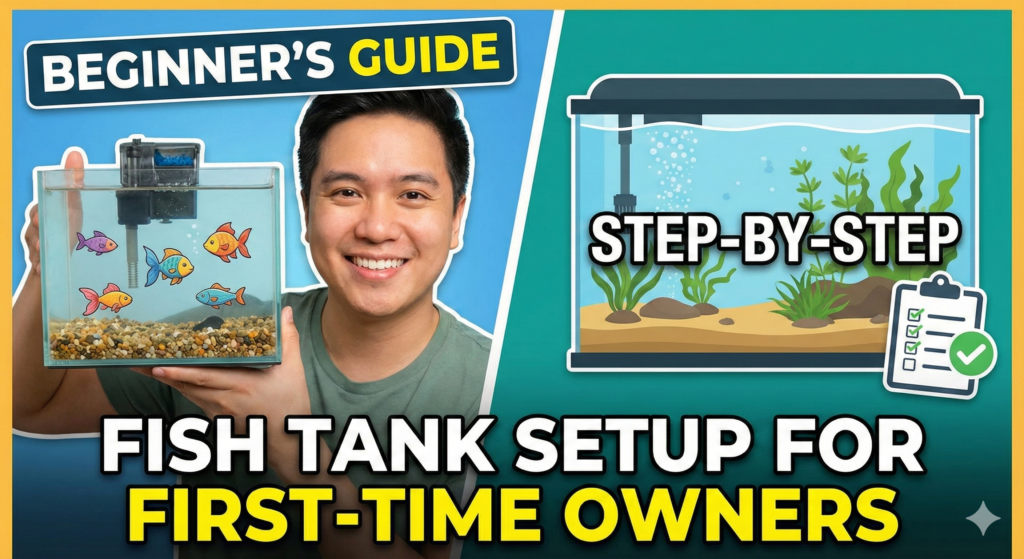
Beginner’s Fish Tank Setup: A Step-by-Step Guide for First-Time Fish Owners
Setting up your first fish tank is exciting, but it can also feel confusing if you don’t know where to start. Many beginners rush the process, add fish too quickly, or buy things they don’t need. A proper setup keeps your fish healthy, your water clear, and your tank easy to maintain. This guide explains everything step by step in simple, easy English so you can start confidently.
1. Choose the Right Tank Size
Many people think small tanks are easier, but it’s the opposite. Small tanks get dirty fast, the water changes quickly, and fish become stressed.
For beginners, the best size is:
30 liters minimum (8 gal)
60 liters – that’s 15 gallons – is even better
More water = more stability = healthier fish.
Avoid tiny bowls and jars. They don’t hold stable water and fish cannot survive happily in them.
2. Pick the Right Location
Choose a location where:
There’s no direct sunlight; hence it prevents the growth of algae.
The tank will be away from speakers or loud noise.
The floor or table is strong enough to hold it.
There is easy access to electricity.
Once filled, a tank becomes very heavy, so choose the place carefully before adding water.
3. Purchase the Essential Equipment
A healthy aquarium needs only a few simple things:
✔ Sponge Filter or HOB Filter
This keeps the water clean and provides oxygen.
✔ Heater (if keeping tropical fish)
Most aquarium fish prefer temperatures between 24–27°C.
✔ Air Pump + Pipe + Air Stone
Provides additional oxygen.
Substrate-gravel or sand
Helps beneficial bacteria grow, and it looks natural.
Aqua water conditioner
Removes chlorine from tap water.
✔ Testing Kit-optional, but useful
Allows checking of ammonia and pH levels.
You don’t need fancy things, just the basics will do.
4. Clean the Tank and Equipment
Before adding anything:
Flushing the tank with tap water
Wash gravel or sand until the water runs clear
Rinse the decorations-no soap or chemicals
Remember, soap is dangerous for fish, so never use it.
5. Add Substrate and Decorations
Lay a depth of 2–3 cm of gravel at the bottom and spread evenly.
Add plants, rocks, and places to hide.
Live plants are ideal for a beginner since they
Make water cleaner
Administer oxygen
Reduce fish stress
Good starter plants:
Anubis
Java Fern
Hornwort
Sword Amazon
6. Fill the Tank With Water
Use a plate or plastic bag on the substrate and pour water slowly on it so gravel doesn’t move.
Following the filling of the tank, add water conditioner to remove chlorine.
7. Install Filter and Heater
Place the filter in the tank and switch it ON.
Set heater temperature at 26°C for tropical fish.
Let the water circulate for some hours.
8. Cycle the Aquarium (Most Important Step)
Cycling means the growth of useful bacteria that remove fish waste.
Without cycling, ammonia forms and fish die rapidly.
Let your tank run 7–10 days before adding fish.
During cycling:
Keep filter ON
Do not add fish
Add a pinch of food every 2 days (feeds good bacteria)
Cycling is the secret to a healthy tank.
9. Choose Beginner-Friendly Fish
Once the tank is cycled, pick fish that are hardy and peaceful.
Good beginner fish:
Guppies
Mollies
Platies
Neon or Ember Tetras
Zebra Danios
Betta (for single fish tank only)
Avoid goldfish in small tanks—they need large, powerful filtration.
10. Add Fish Slowly and Safely
Don’t add all fish at once. Start with 2–3 fish.
Steps:
Float the fish bag in tank for 10 minutes.
Add small amounts of tank water inside the bag gradually.
Gently release the fish.
Never pour shop water into your aquarium.
11. Feed the Fish Lightly
Overfeeding is the biggest beginner mistake.
Feed only:
A small pinch
1–2 times a day
Food should finish in 30 seconds
Extra food rots and dirties water fast.
12. Maintain the Tank Weekly
To keep your aquarium healthy:
Change 25–30% water weekly
Clean filter sponge gently in old tank water
Remove algae with a sponge
Trim plants if needed Regular maintenance keeps fish happy and prevents disease.
⭐ Final Thoughts
Setting up your first aquarium is not hard if you follow the steps slowly. A stable tank with clean water, a running filter, plants, and proper cycling makes fish live longer and stay more colorful. Take your time, avoid rushing, and enjoy watching your new underwater world grow.