
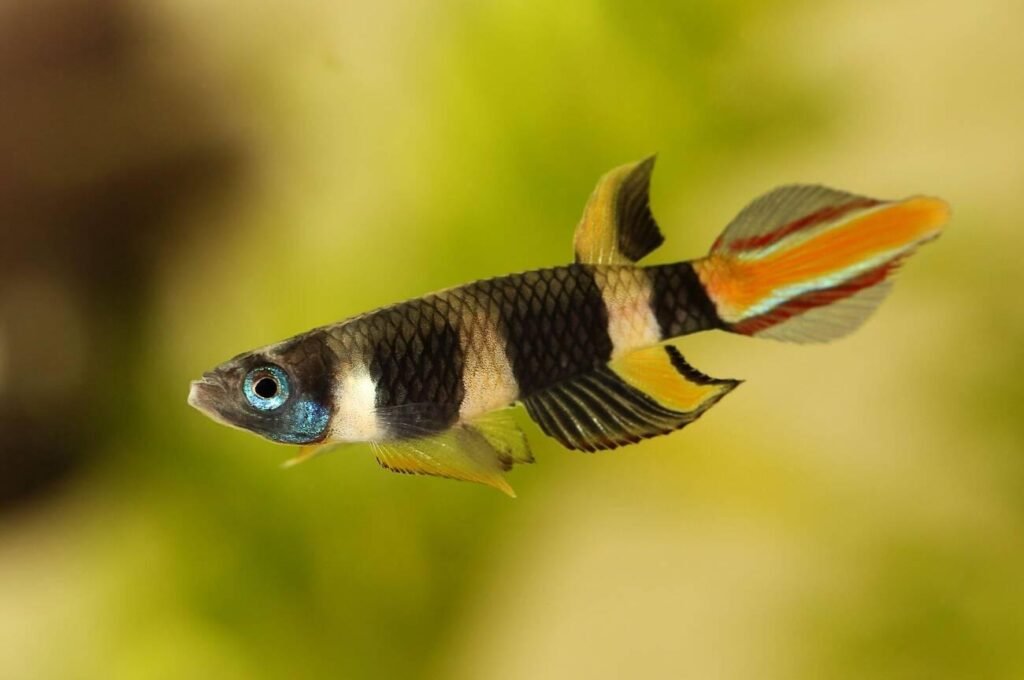
Blackwater aquariums have a very different feel compared to bright planted tanks. The water looks tea-colored, the light feels soft, and the fish behave in a calmer, more natural way. For beginners, blackwater tanks can actually be easier to manage, but only if the right fish are chosen. Not every fish enjoys soft, acidic water, and choosing the wrong species is one of the most common mistakes people make.
The good news is that many beautiful, peaceful fish are naturally adapted to blackwater conditions. These fish don’t just survive in blackwater, they truly thrive in it. Their colors become deeper, stress levels drop, and natural behaviors start showing up.
This guide focuses only on beginner-friendly fish. No fragile species, no high-maintenance demands, and no unrealistic expectations. Just fish that work well in real home aquariums.
What Makes a Fish Suitable for Blackwater
Before jumping into the list, it helps to understand what blackwater fish need. Blackwater tanks usually have softer water, lower pH, gentle flow, and lower lighting. Fish that evolved in forest streams and river systems prefer these conditions naturally.
Good blackwater fish usually share these traits:
• Peaceful nature
• Comfort in soft or slightly acidic water
• Tolerance for lower light
• Calm swimming behavior
If a fish prefers hard, alkaline water or strong current, blackwater is not the right setup for it.
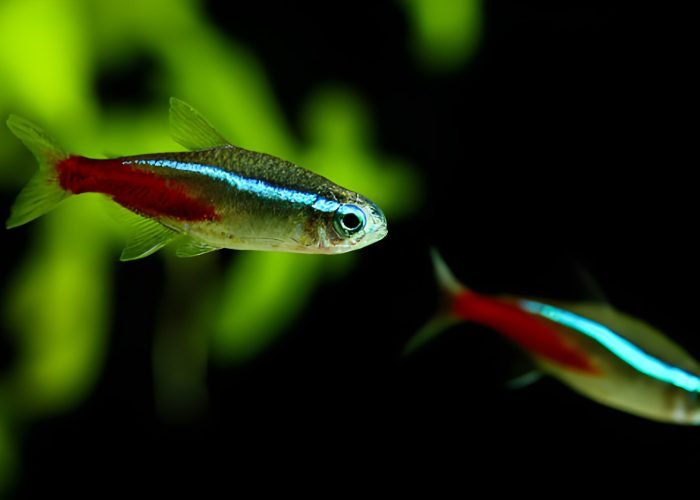
Neon Tetras
Neon tetras are one of the most popular aquarium fish in the world, and for good reason. In blackwater tanks, their blue and red colors look richer and more natural. The darker water reduces stress and makes schooling behavior more visible.
They are peaceful, easy to feed, and very forgiving of beginner mistakes as long as the tank is stable. A group of at least six is recommended, but larger groups look even better.
Neon tetras stay mostly in the middle of the tank and don’t bother other fish.
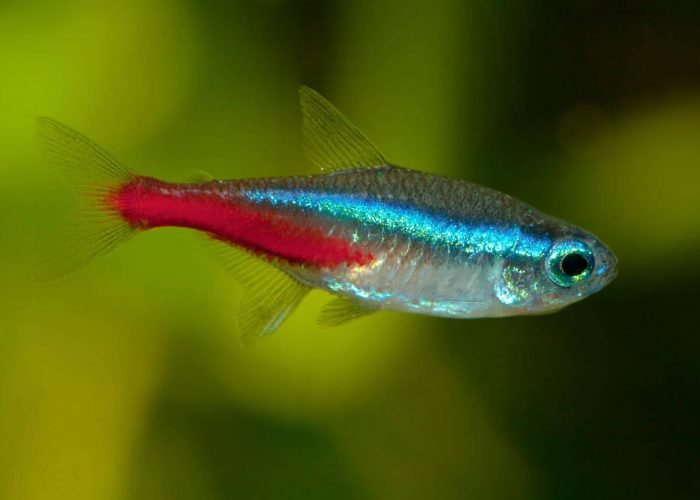
Cardinal Tetras
Often confused with neon tetras, cardinal tetras are slightly larger and even more vibrant. They actually prefer warmer and softer water, which makes them perfect for blackwater aquariums.
In blackwater, cardinals show intense red coloration that you rarely see in bright tanks. They are calm, schooling fish and feel most comfortable in groups of eight or more.
They do well with gentle tank mates and love shaded areas created by driftwood and floating plants.
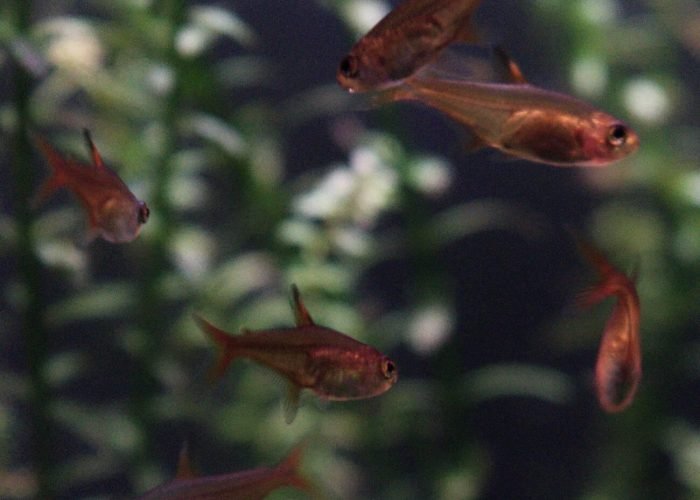
Ember Tetras
Ember tetras may be small, but they shine in blackwater tanks. Their orange color glows softly against the dark water, creating a very natural look.
They are extremely peaceful and suitable for small tanks as well. Because they are tiny, they feel safer in groups. Ember tetras are perfect for beginners who want a calm, low-maintenance fish that still adds beauty.
They also pair well with shrimp and other small fish.
Rummy Nose Tetras
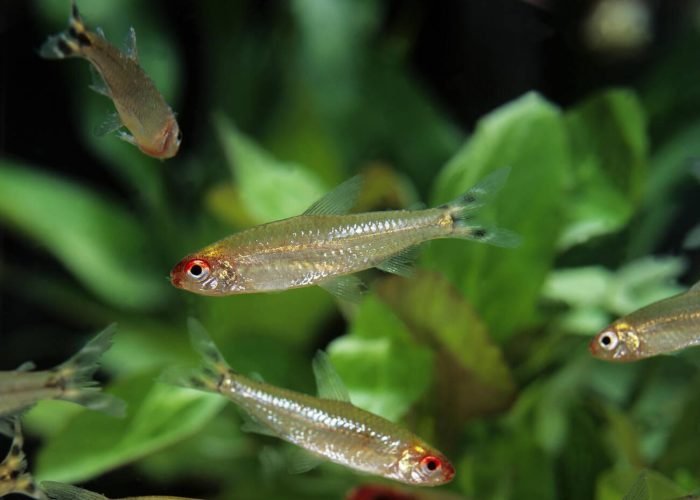
Rummy nose tetras are often called “water quality indicators” because they lose their bright red nose color when stressed. In blackwater tanks with stable conditions, their color stays strong and vibrant.
They are active schoolers and look best in larger groups. Watching them move together through soft, tannin-stained water is one of the most satisfying sights in aquariums.
While they need stable water, they are not difficult to care for once the tank is established.
Angelfish
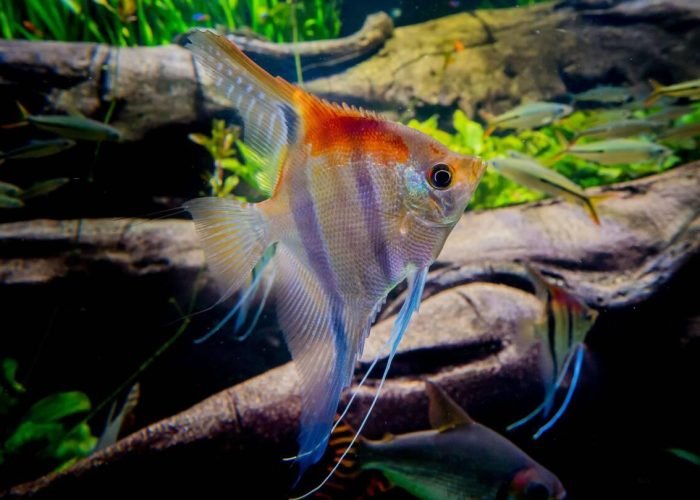
Angelfish come from blackwater regions in the Amazon basin, so they feel very much at home in these setups. In fact, blackwater aquariums bring out their natural elegance.
They prefer taller tanks, gentle flow, and calm tank mates. Angelfish do best when kept either alone, as a pair, or in small groups in larger tanks.
For beginners, young angelfish are easier to manage. Avoid keeping them with very small fish that may become food as the angels grow.
Discus (For Confident Beginners)
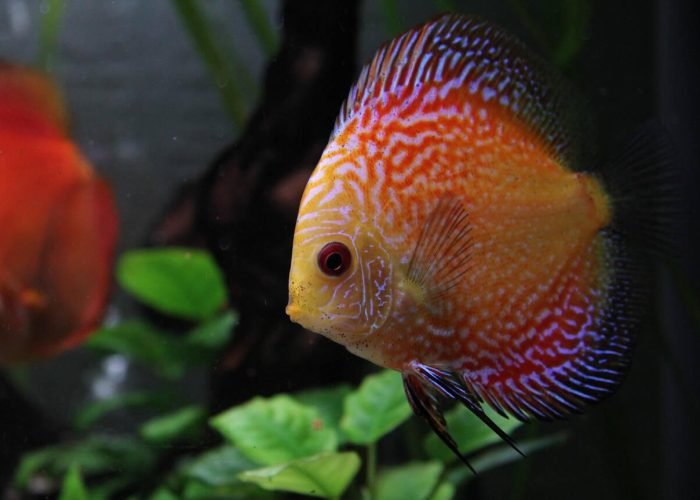
Discus are often considered advanced fish, but in a properly maintained blackwater aquarium, they can be surprisingly stable. The key is consistency. They do not like sudden changes.
Blackwater conditions reduce stress and support their immune systems. Warm water, clean conditions, and gentle filtration are essential.
Discus are not recommended for first-time fishkeepers, but for beginners who already have some experience, a blackwater setup is actually one of the best environments for them.
Apistogramma Dwarf Cichlids
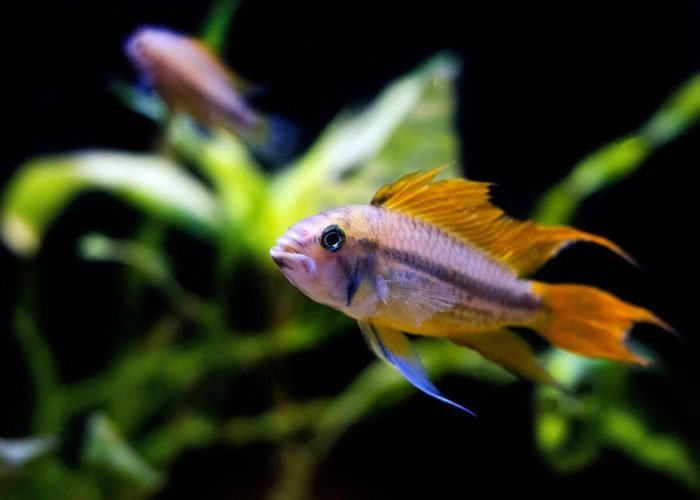
Apistogramma species are small, colorful cichlids that thrive in blackwater tanks. They love leaf litter, caves, and shaded areas.
They show interesting behavior, including territory defense and breeding rituals, without being overly aggressive. In blackwater conditions, their colors deepen and stress-related aggression decreases.
They work best in tanks with plenty of hiding spots and calm tank mates.
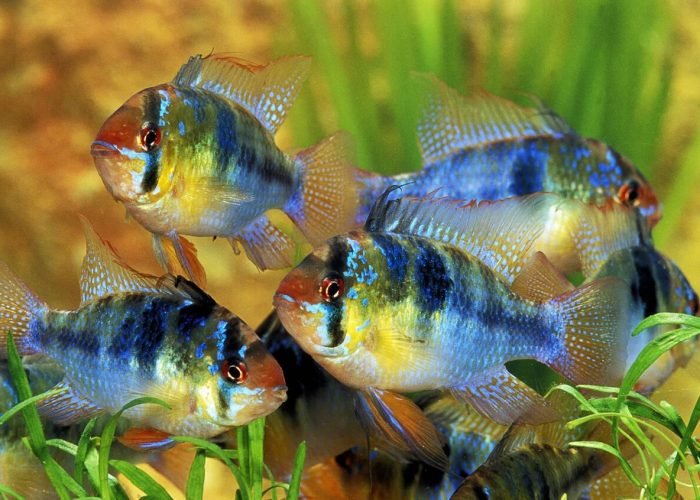
German Blue Rams and Bolivian Rams
Rams are another excellent choice for blackwater aquariums. German blue rams prefer warmer, softer water, while Bolivian rams are slightly more forgiving.
In blackwater tanks, rams feel more secure and often show better coloration and breeding behavior. They are peaceful but territorial, so space and structure matter.
They are suitable for beginners who maintain stable water and avoid overcrowding.
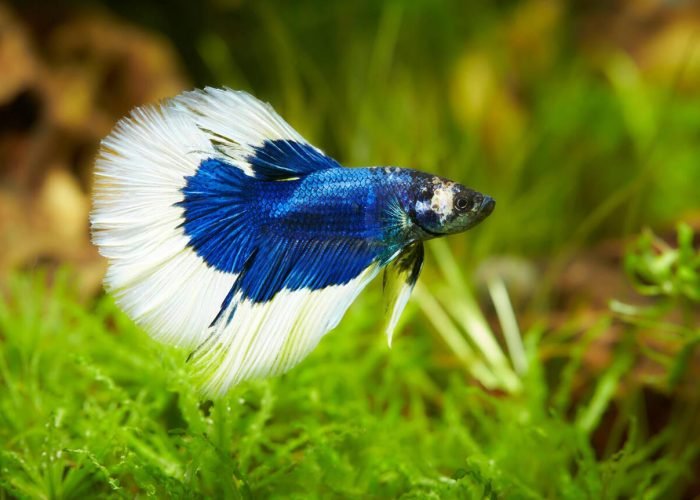
Betta Fish
Betta fish are naturally found in tannin-rich waters, which makes blackwater tanks ideal for them. Soft lighting, floating plants, and warm water suit them perfectly.
In blackwater, bettas often become calmer and more confident. Their fins suffer less damage, and stress levels drop noticeably.
They can be kept alone or with very peaceful tank mates, depending on personality.
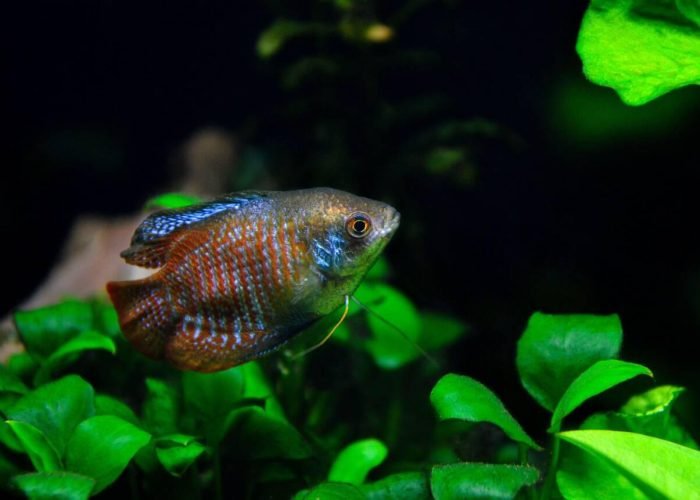
Gouramis
Many gourami species, especially honey gouramis and sparkling gouramis, do extremely well in blackwater aquariums. They enjoy calm water and shaded surfaces.
Their breathing behavior, using both gills and labyrinth organs, fits well with soft, oxygen-rich blackwater setups.
They are peaceful, curious fish and work well in community blackwater tanks.
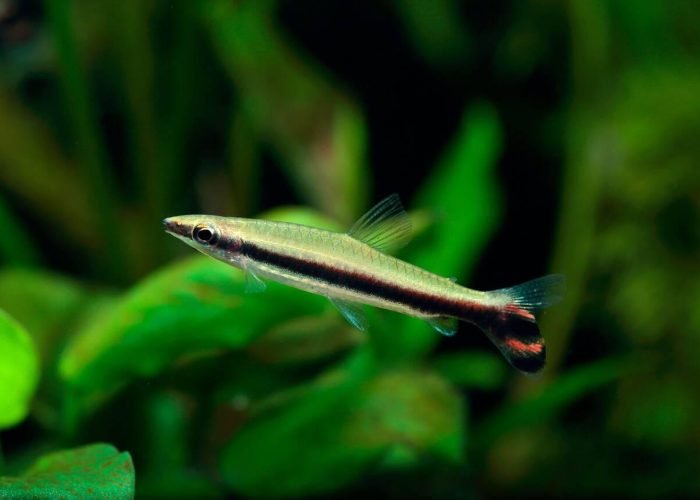
Pencilfish
Pencilfish are underrated but perfect blackwater fish. They are slim, calm, and usually swim near the surface. Their subtle colors look elegant in darker water.
They are shy at first but gain confidence when kept in groups. Pencilfish prefer calm environments and do not like strong flow.
They pair very well with tetras and dwarf cichlids.
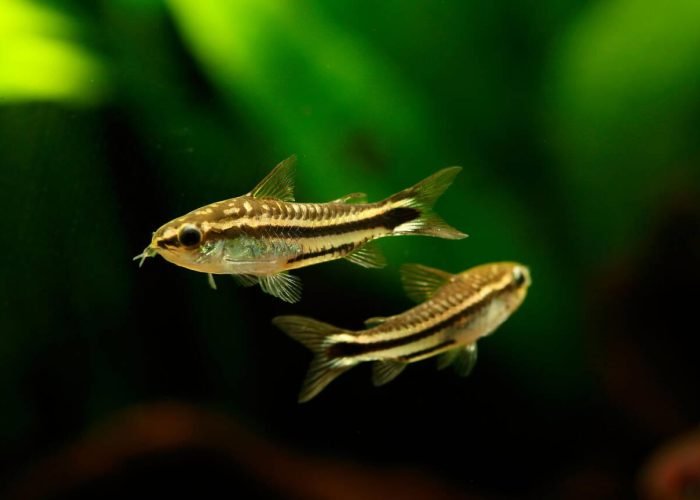
Corydoras Catfish (Select Species)
Not all corydoras prefer blackwater, but many do. Species like panda corydoras and sterbai corydoras adapt very well.
They spend most of their time on the bottom, sifting through sand and leaf litter. In blackwater tanks, they behave more naturally and appear less stressed.
Always use sand instead of sharp gravel when keeping corydoras.
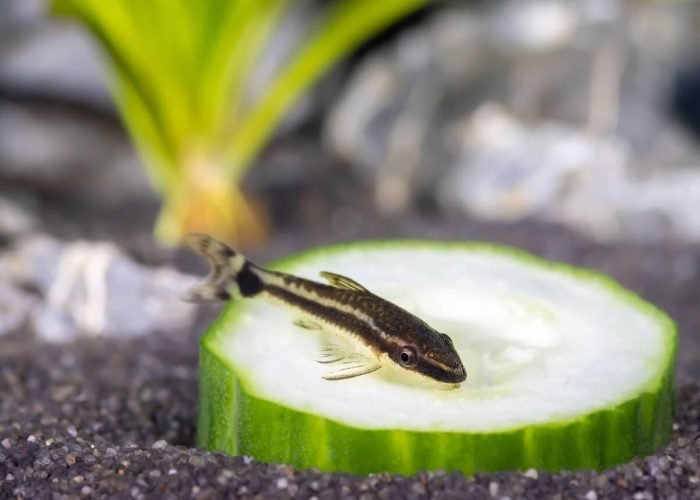
Otocinclus Catfish
Otocinclus are small algae grazers that do well in mature blackwater tanks. They are peaceful, social, and helpful.
They require stable water and some natural algae or biofilm to feed on. Once settled, they are easy to care for and completely non-aggressive.
They should always be kept in groups.
Fish to Avoid in Blackwater Tanks
Some fish simply don’t belong in blackwater environments. Avoid species that prefer hard, alkaline water or strong current.
Examples include:
• African cichlids
• Goldfish
• Livebearers like mollies and guppies
• Rift lake species
Keeping these fish in blackwater leads to stress and health problems.
Stocking Tips for Beginners
Start slow. Blackwater tanks stabilize best when fish are added gradually. Overstocking increases waste and causes pH swings.
Choose fish that occupy different levels of the tank:
• Top swimmers
• Mid-level schoolers
• Bottom dwellers
This creates balance and reduces competition.
Final Thoughts
Blackwater aquariums are one of the most rewarding setups for beginners who want something natural and peaceful. The key is choosing fish that evolved in these environments. When you do that, everything becomes easier. Fish behave better, colors improve, and maintenance feels lighter.
You don’t need rare species or expensive setups. Even simple fish like tetras and bettas look stunning in blackwater conditions. With patience and stable water, a blackwater aquarium becomes a calm, living ecosystem that feels closer to nature than most tanks ever do.