
Tetras Fish Care Guide for Beginners
Tetras fish care guide for beginners is something many people search for after they already have a few tetras swimming in their tank and start noticing problems. Maybe they are hiding more than expected. Maybe colors look dull. Or maybe fish are dying one by one without a clear reason. Tetras are often sold as easy, beginner fish, and while they are hardy, they still have specific needs that are often ignored.
Tetras are peaceful, active, and beautiful schooling fish. When kept correctly, they bring life and movement to an aquarium. When kept poorly, they become stressed, shy, and prone to disease. This guide focuses on real care, not just basic tips.
Understanding Tetras Before You Buy Them
Tetras are small freshwater fish native to South America and parts of Africa. In the wild, they live in large groups, often in slow-moving rivers and streams with plants, driftwood, and soft lighting.
This natural background explains many of their behaviors in aquariums.
Tetras are not solitary fish. They feel safe in numbers. A single tetra or a pair will almost always look stressed and inactive. When kept in proper groups, their behavior changes completely.
Popular Types of Tetras for Beginners
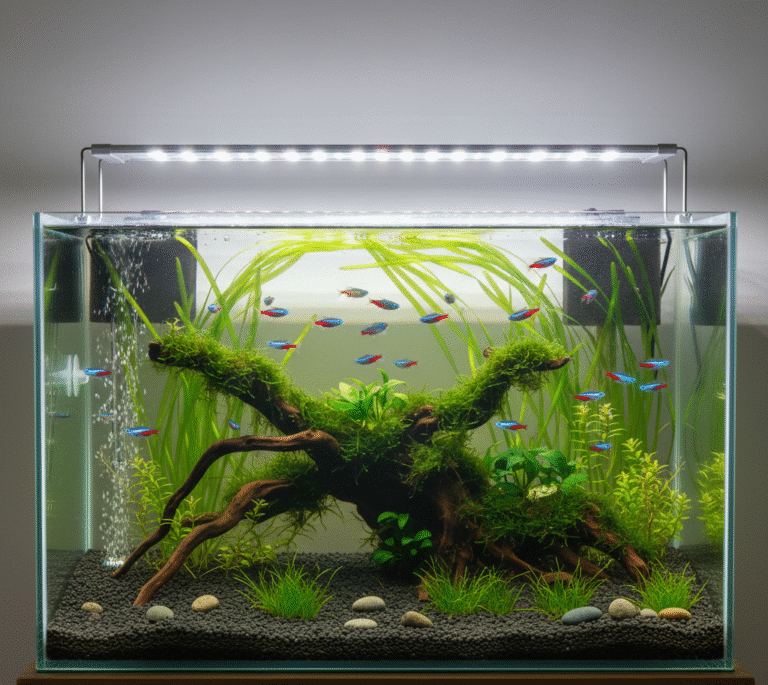
Not all tetras are the same, but many beginner-friendly species share similar care needs.
Some common beginner choices include:
Neon tetra
Cardinal tetra
Black skirt tetra
Glowlight tetra
Ember tetra
While their colors and sizes vary slightly, their core care requirements are very similar.
Tank Size for Tetras (Why Space Matters)
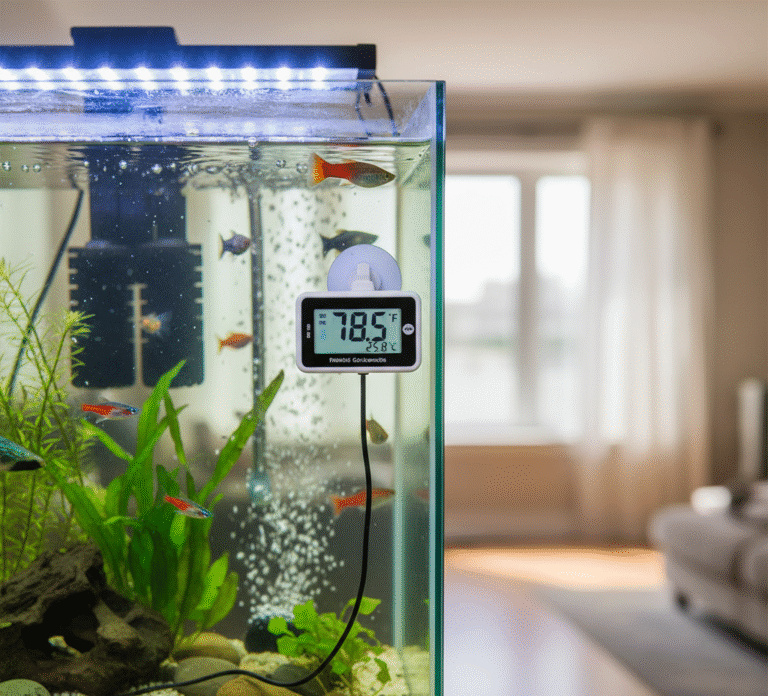
Because tetras are small, many people assume they can live in tiny tanks. This is a mistake.
Tetras are active swimmers. They need horizontal space more than depth.
A good starting point:
Minimum 10 gallons for small schools
15 to 20 gallons is much better
More space means less stress, better schooling behavior, and stronger immune systems.
Crowded tanks cause constant low-level stress, even if the fish appear healthy at first.
Schooling Requirements (This Is Critical)
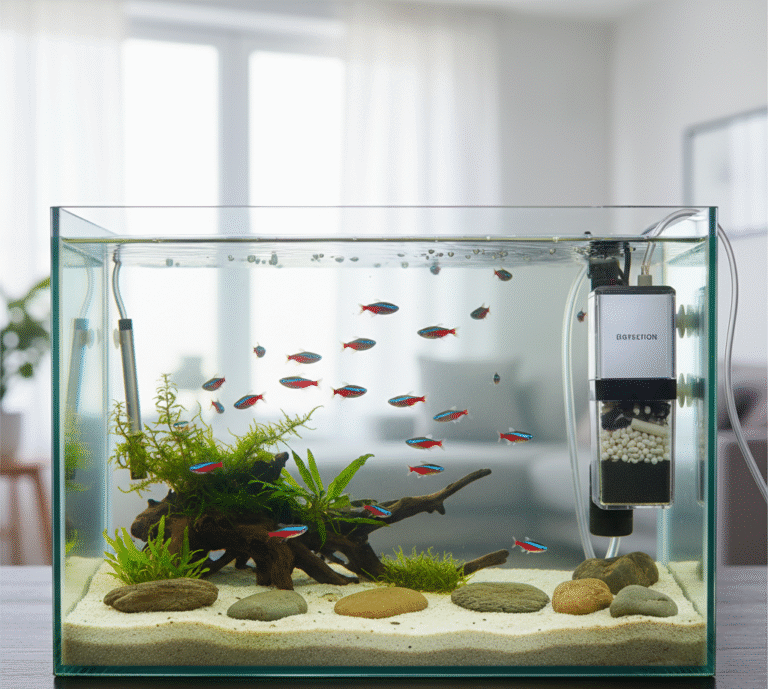
Tetras must be kept in groups.
A proper school is:
At least 6 individuals
Ideally 8 to 10 or more
In small numbers, tetras hide constantly and may nip other fish. In proper schools, they feel confident and display natural movement.
If you want to see tetras at their best, increase the group size before changing anything else.
Water Parameters for Tetras (Stability Over Perfection)
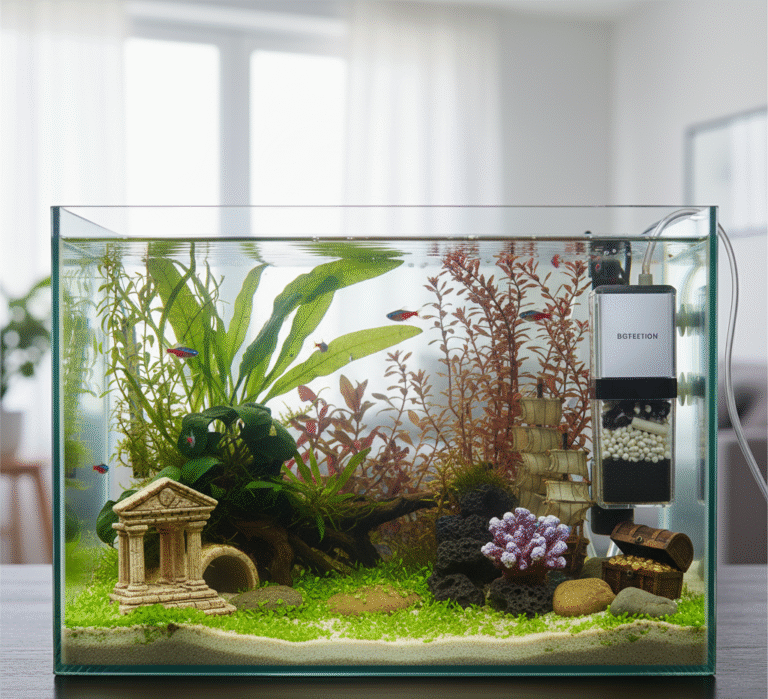
Tetras prefer slightly soft, slightly acidic water, but they are adaptable.
More important than exact numbers is stability.
They do best when:
Temperature is stable
pH does not swing suddenly
Water changes are consistent
Sudden changes stress tetras quickly. This is why many losses happen after large or rushed water changes.
Filtration and Water Flow
Tetras come from gentle waters. Strong flow stresses them.
Choose a filter that:
Provides steady but gentle flow
Does not push fish constantly
Keeps water clean without turbulence
Sponge filters and adjustable internal filters work very well for tetra tanks.
Lighting for Tetra Tanks
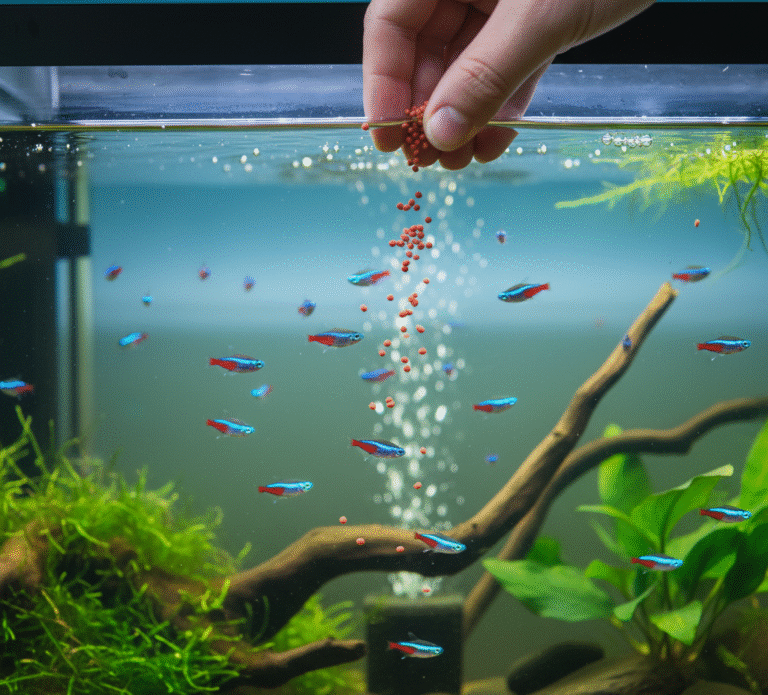
Bright lighting is not necessary for tetras.
In nature, they live under tree cover and floating plants. Too much light can make them nervous.
Soft to moderate lighting works best, especially when combined with plants and darker substrate.
Calm lighting makes colors look deeper and behavior more relaxed.
Substrate and Tank Setup
Tetras are not picky about substrate, but darker colors help them feel secure.
Good choices include:
Dark gravel
Fine sand
Add plants, driftwood, and open swimming space. Avoid cluttering the entire tank.
A balanced layout gives tetras places to retreat while still allowing schooling.
Feeding Tetras Properly
Tetras are not demanding eaters, but diet quality matters.
They eat:
Quality flakes or micro pellets
Frozen or live foods occasionally
Feed small amounts once or twice a day. Overfeeding pollutes water quickly and leads to health issues.
A varied diet improves color and activity.
Common Tetra Health Problems
Most tetra health issues are caused by stress, not disease.
Stress-Related Problems
Stress comes from:
Small group sizes
Poor water quality
Sudden changes
Aggressive tank mates
Stressed tetras fade in color, hide more, and become vulnerable to illness.
Neon Tetra Disease (Important to Mention)
This disease affects some tetra species and is often misunderstood.
It spreads in stressed fish and poorly maintained tanks. Healthy, stable environments reduce risk significantly.
There is no cure, which is why prevention through good care is essential.
Tank Mates for Tetras
Tetras are peaceful and do well with calm species.
Good tank mates include:
Corydoras
Rasboras
Small peaceful gouramis
Shrimp (with caution)
Avoid aggressive or fin-nipping fish.
Compatibility matters more than appearance.
Why Tetras Sometimes Die One by One
This is a common issue.
Usually caused by:
Incomplete tank cycling
Old stress catching up
Poor water change habits
Losses often reflect past conditions, not current ones.
Improving stability usually stops the pattern.
Water Changes for Tetra Tanks
Regular water changes keep tetras healthy.
A safe routine:
15 to 25 percent weekly
Match temperature closely
Use water conditioner
Large, sudden changes stress small fish more than slightly imperfect water.
Why New Tetras Hide at First
Hiding is normal at the beginning.
They are adjusting to:
New environment
New lighting
New tank mates
Give them time. Proper schools and calm surroundings bring them out naturally.
How Long Do Tetras Live
With proper care:
3 to 5 years is common
Some live longer
Short lifespans usually indicate chronic stress, not bad genetics.
Are Tetras Good Beginner Fish
Yes, when kept correctly.
They are hardy, forgiving, and peaceful. But they are not decorations. They are living animals with social needs.
When beginners fail with tetras, it’s usually because of:
Small groups
Small tanks
Rushed setups
Fix those, and tetras thrive.
Final Thoughts
Tetras are often underestimated. They are not flashy show fish, but they bring balance and life to an aquarium when treated properly. A healthy school of tetras moving together is one of the most calming sights in fishkeeping.
This tetras fish care guide for beginners is meant to help you avoid common mistakes and enjoy these fish the way they are meant to be kept.
Healthy tetras are not luck.
They are the result of stable, thoughtful care.