
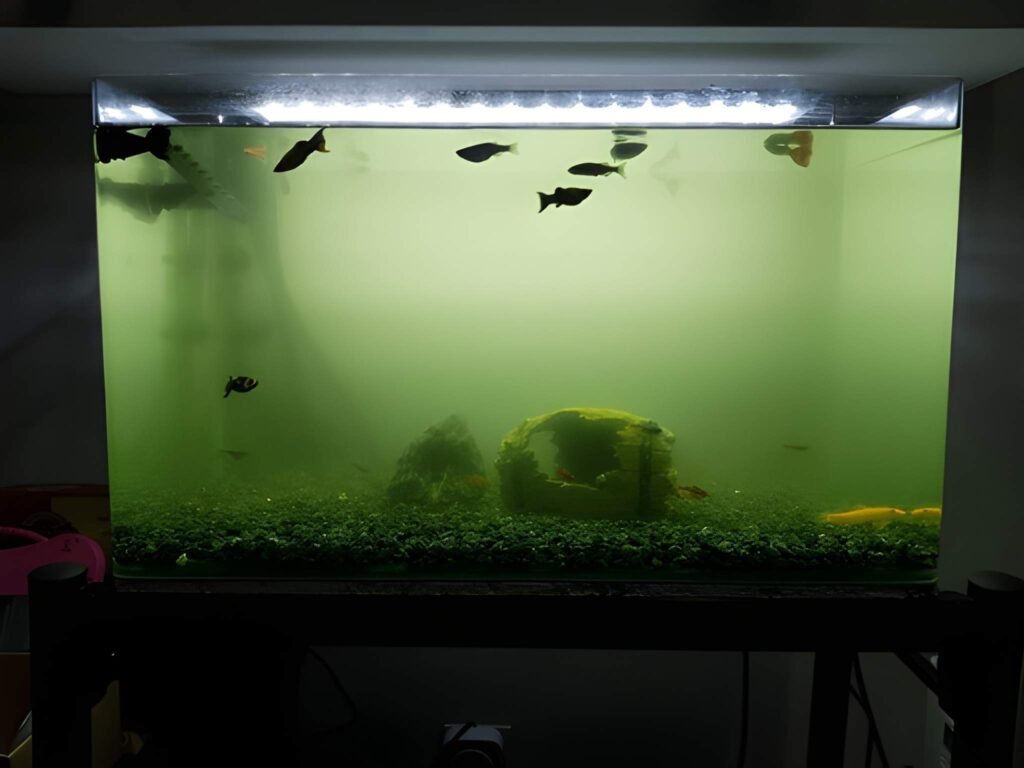
How to Stop Algae in a Planted Tank
How to Stop Algae in a Planted Tank is something almost every planted tank owner struggles with at some point. You set up the tank with good intentions. Healthy plants, clean water, a layout you’re proud of. And then slowly, algae shows up. On the glass. On the leaves. Sometimes everywhere at once.
The first instinct is usually to look for a chemical solution. An algae killer, a quick fix, something that promises instant results. The problem is, chemicals rarely solve the real issue. They just hide it for a while.
Stopping algae long term is not about fighting algae. It’s about fixing the environment that allows it to grow.
First, Understand Why Algae Appears at All
Algae is not the enemy. It’s a sign.
In most planted tanks, algae shows up because something is out of balance. Light, nutrients, plant growth, or maintenance habits. Sometimes more than one at the same time.
New tanks get algae because they are unstable. Old tanks get algae because routines drift over time.
Once you accept that algae is a symptom, not the problem itself, fixing it becomes much easier.
Too Much Light Is the Most Common Cause
This is where most people go wrong.
Bright lights look beautiful. But plants don’t care about beauty. They care about consistency and balance.
In many planted tanks, especially low-tech ones, light is simply too strong or on for too long.
If your light runs more than 8 hours a day, that’s often enough to invite algae. If it’s very bright and runs long hours, algae will almost always win.
Try this first:
Reduce lighting to 6 or 7 hours per day.
Do this for two weeks and observe.
Plants adapt. Algae usually slows down.
Inconsistent Lighting Confuses the Tank
Turning lights on and off randomly is another silent problem.
Plants rely on rhythm. Algae does not care.
If lights run different hours every day, plants struggle to adapt and algae takes advantage of the confusion.
Use a timer. Always.
Same start time. Same end time. Every day.
This single habit fixes more algae problems than people realize.
Plants Must Be Growing Faster Than Algae
Healthy plant growth is the strongest algae control method you have.
If plants are not growing, algae fills the gap.
Slow or unhealthy plant growth usually means:
Not enough nutrients
Poor root access
Weak circulation
Plants not suited for the setup
Low-tech tanks do best with low-demand plants. Trying to grow demanding plants without CO2 almost always ends in algae.
Choose plants that actually fit your setup, not what looks good on social media.
Nutrients Are Not the Enemy Either
A common myth is that fertilizers cause algae. That’s only half true.
Too much fertilizer can cause algae. But too little can do the same.
When plants are nutrient-starved, they stop growing properly. Algae doesn’t need much to survive, so it takes over.
If you dose fertilizer, keep it consistent and light.
If you don’t dose fertilizer, make sure fish waste and substrate can support plant growth.
Starving plants is not a solution.
Root Health Matters More Than Leaf Health
In low-tech planted tanks, most nutrients are taken up through roots, not water.
If plants have weak roots, they grow slowly and invite algae.
Things that help:
Nutrient-rich substrate
Root tabs for heavy root feeders
Not disturbing the substrate too often
Constant replanting damages roots and slows recovery. Plants need time to settle.
Overfeeding Creates Hidden Algae Fuel
Even if your water looks clean, excess food breaks down quietly.
Uneaten food becomes nutrients algae love.
Feed less than you think you should.
Fish do not need constant feeding. Slight hunger is healthier than pollution.
If algae appeared shortly after increasing feeding, you already found the cause.
Dirty Filters Can Also Cause Algae
This surprises many people.
When filters are clogged, flow slows down. Waste builds up in dead spots. Nutrients become uneven.
Algae thrives in stagnant areas.
Clean filters when flow drops, not on a fixed schedule.
Always rinse media in tank water, not tap water.
A well-flowing filter helps plants compete better.
Water Changes Are Still Important
Some planted tank keepers avoid water changes completely. That can work in rare, heavily planted tanks, but it’s risky for beginners.
Regular water changes:
Remove excess nutrients
Reset imbalances
Improve oxygen levels
For most planted tanks, 20 percent once a week is safe and effective.
Skipping water changes often leads to slow algae buildup that suddenly explodes later.
Manual Removal Helps More Than You Think
Removing algae by hand feels pointless at first. It comes back anyway, right?
Not exactly.
Manual removal:
Reduces spores
Gives plants breathing room
Prevents algae from spreading
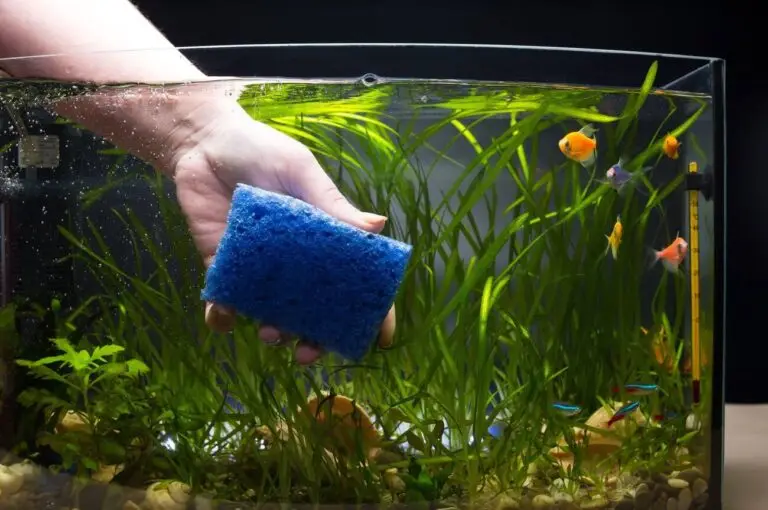
Clean glass. Trim affected leaves. Remove visible algae gently.
Think of it as reducing pressure, not solving everything at once.
Algae Eaters Are Helpers, Not Fixes
Shrimp, snails, and algae-eating fish help, but they don’t solve root problems.
They are best used after you fix lighting and growth issues.
Good helpers include:
Nerite snails
Amano shrimp
Otocinclus (in suitable tanks)
If algae eaters die or stop eating, the problem is usually bigger than algae.
New Tanks Need Patience, Not Panic
Algae in the first few months is normal.
The tank is still learning how to balance itself.
Avoid drastic changes in new tanks. No sudden blackout periods. No heavy chemical dosing.
Stability comes with time.
Most algae issues calm down naturally if you keep routines simple and consistent.
Avoid Chasing Perfect Numbers
Perfect nitrate, perfect phosphate, perfect pH. This mindset causes more harm than algae.
Plants don’t need perfection. They need stability.
If fish are healthy and plants are slowly growing, your tank is fine.
Constant testing and adjustment creates swings that algae loves.
Why Chemical Algae Killers Make Things Worse
Algae killers often:
Kill algae temporarily
Stress plants
Disrupt beneficial bacteria
When algae dies suddenly, it releases nutrients back into the water. If plants are weak, algae returns even stronger.
This creates a cycle of dependency on chemicals.
Fix the environment once, and you won’t need chemicals again.
What Actually Works Long Term
Stopping algae long term usually comes down to a few simple habits:
Moderate light
Consistent schedule
Healthy plant growth
Controlled feeding
Regular maintenance
None of these are dramatic. That’s why they work.
Final Thoughts
Algae does not mean you failed.
It means your tank is asking for small adjustments.
If you stop trying to kill algae and start supporting plants, the tank slowly fixes itself. Sometimes it takes weeks. Sometimes months. But when it settles, it stays stable for a long time.
A planted tank without chemicals is not only possible, it’s often more stable and more enjoyable.
Slow fixes beat fast solutions every time.