
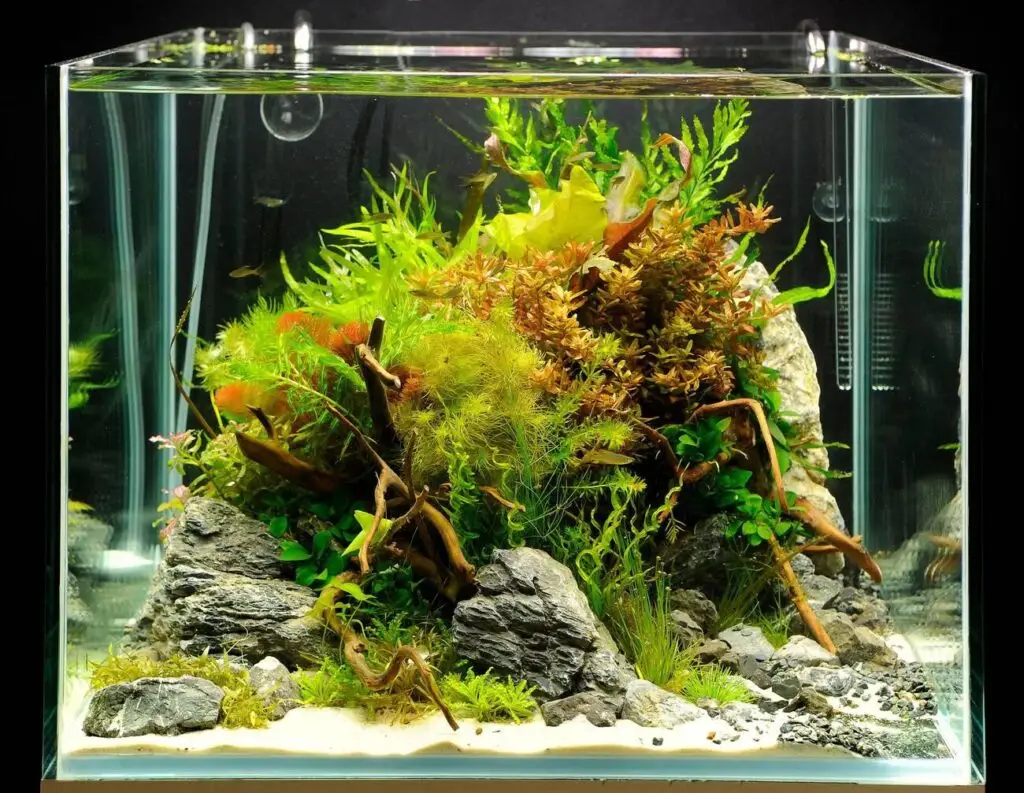
best aquarium substrate for low-tech planted tanks
Best aquarium substrate for low-tech planted tanks
(a simple, honest guide from someone who has tested almost every substrate, including a few bad ones)
If you’re setting up a low-tech planted aquarium, choosing the right substrate can feel like choosing the foundation for a house. Pick the wrong one and your plants struggle. Pick the right one and everything suddenly becomes easier. Healthier plants, cleaner water, fewer headaches.
When I built my first planted tank, I thought substrate was just dirt at the bottom. That didn’t last long. I learned quickly that some substrates help plants grow like crazy while others just sit there doing nothing. So here’s a clear, beginner-friendly guide based on real experience, not marketing.
Let’s break down the best substrates for low-tech planted tanks, what they’re good for, and which ones I’d actually recommend.
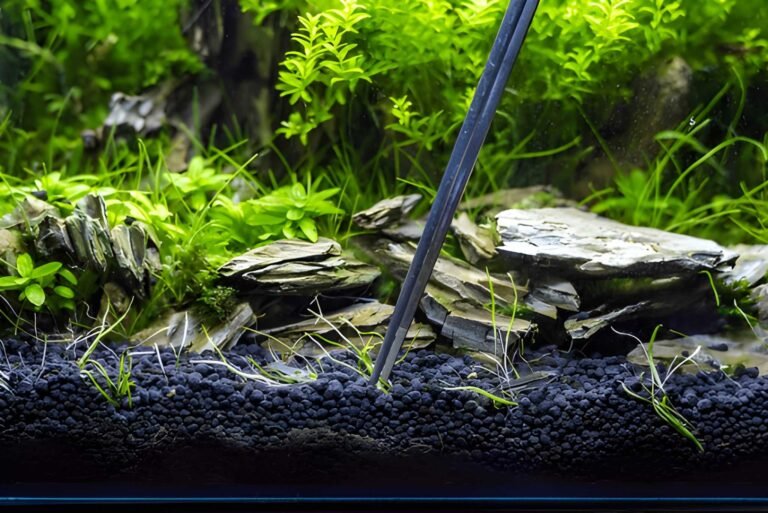
1. Aquarium Soil (The Best Overall Choice for Low-Tech Tanks)
If you want your plants to grow strong roots, bright leaves, and steady new growth — aquarium soil is the winner. This includes brands like:
ADA Amazonia
Tropica Soil
Controsoil
Fluval Stratum
These soils are made specifically for planted tanks and come loaded with nutrients.
Why it works so well
Plants root quickly
Strong nutrient base
Keeps pH slightly lower (good for most plants)
Great for carpeting plants
Even without CO₂, low-tech tanks with soil grow MUCH better.
Small warning
Some soils release ammonia for the first few days. Nothing dangerous — just do a few water changes early on.
Best for:
Anyone who wants long-term plant growth with minimal effort.
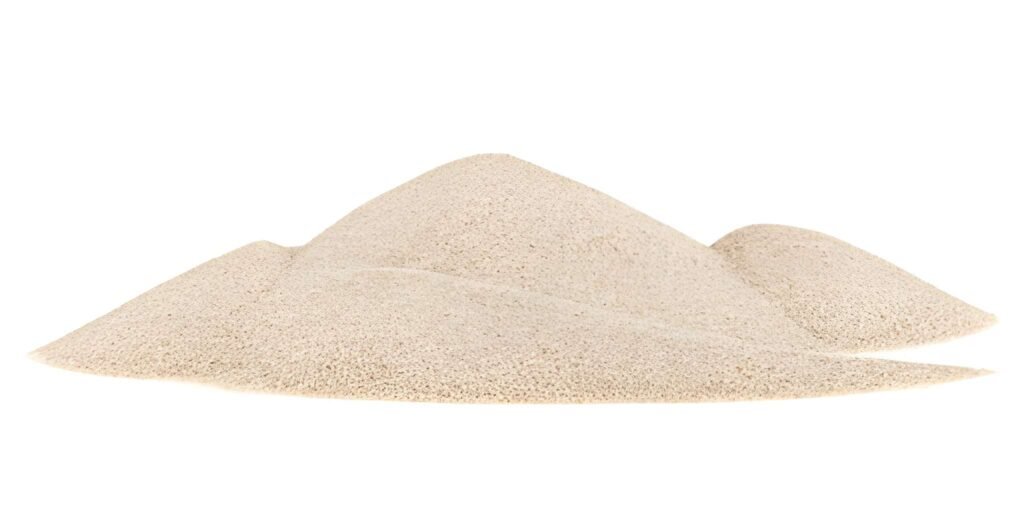
2. Sand (Simple, Clean, and Beautiful — But Needs a Trick)
Sand looks stunning. It gives that natural riverbed vibe and makes aquascapes look clean and calm. But sand alone has almost zero nutrients.
So why do people still use it?
Because plants still can grow in sand — you just need root tabs.
Why choose sand?
Cheap
Easy to clean
Perfect for nano tanks
Plants stay neatly rooted
Looks extremely natural
Tip:
Get a slightly heavier sand so it doesn’t fly everywhere during water changes.
Best for:
People who want a natural look and don’t mind using root tabs.
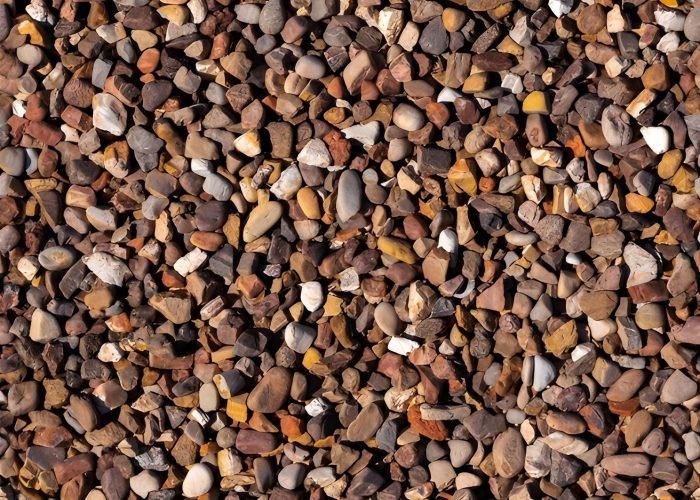
3. Gravel (The “Beginner Default”)
Every beginner starts with gravel. It’s affordable and comes in many colors. But for planted tanks? Gravel is… okay.
It does not provide nutrients on its own, so root tabs are necessary.
Why gravel can still work
Long-lasting
Doesn’t compact like sand
Easy to plant stem plants in
Cheap and available everywhere
Add root tabs → suddenly it becomes good for plants
Best for:
Beginners who already bought gravel and don’t want to start over.
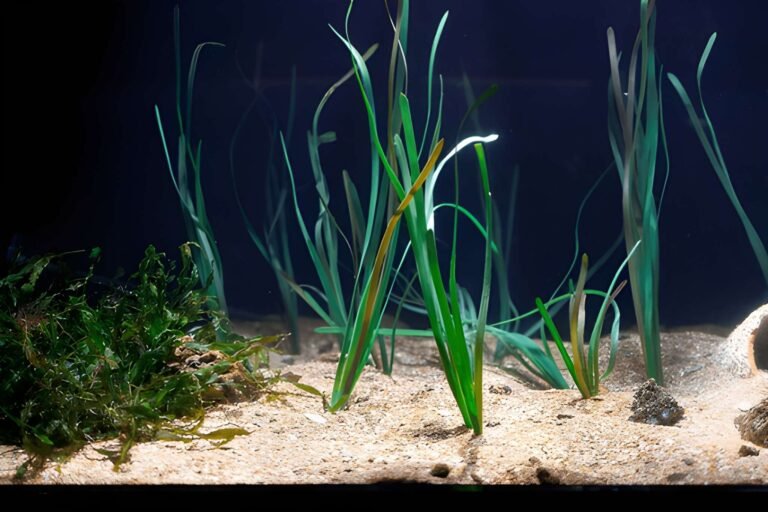
4. Soil + Sand Cap (Budget-Friendly Power Combo)
This is an underrated hack.
You can use:
Garden soil or pond soil at the bottom
A layer of sand on top
And boom — you have a nutrient-rich substrate for a fraction of the price.
Why it’s great
Very cheap
Extremely nutrient-rich
Plants root like crazy
Perfect for low-tech setups
Downside:
If you disturb the substrate too much, the soil can come up and cloud the water. So plant once, then leave it alone.
Best for:
Budget hobbyists who still want strong plant growth.
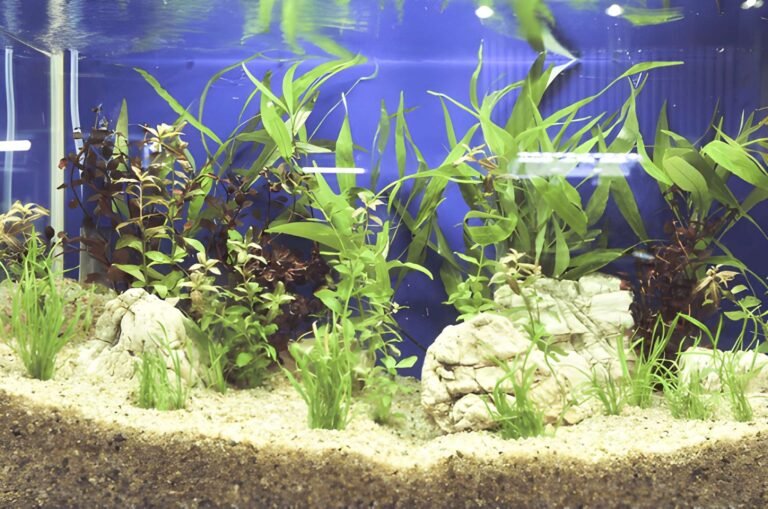
5. Inert Substrates + Root Tabs (Works Surprisingly Well)
If you’re on a tight budget or already have substrate, you can grow lush plants using just root tabs with ANY substrate.
This works with:
Black diamond blasting sand
Regular sand
Gravel
Decorative substrates
Why this works
Plants take nutrients mainly through their roots, so root tabs act like a slow-release fertilizer underground.
Best for:
Someone who wants flexibility and low maintenance.
Which Substrate Is Best for Low-Tech Tanks? (My Honest Ranking)
After years of setups, rescapes, failures, and experiments, here’s my real answer:
🥇 1. Aquarium Soil — the best overall
You plant, you wait, it grows. Simple.
🥈 2. Sand + Root Tabs — best for a clean look
Great balance between beauty and function.
🥉 3. Gravel + Root Tabs — best budget option
Works better than people expect.
4. Dirted Tanks (Soil + Sand Cap) — best long-term nutrients
Super powerful but needs careful setup.
What Substrate Should YOU Choose?
Here’s the quick guide:
If you want easy plant growth:
→ Go with Aquarium Soil.
If you want a natural river look:
→ Choose Sand + root tabs.
If you already have gravel:
→ Keep it, just add root tabs.
If you’re on a tight budget:
→ Do a dirted tank (soil bottom + sand cap).
No wrong choice — just different styles.
Tips for Success (No Matter Which Substrate You Pick)
Use root tabs for heavy root feeders (Crypts, Swords).
Don’t mix different substrates randomly — it looks messy.
Plant deep so roots anchor properly.
Avoid moving plants too often.
Do weekly water changes — plants love clean water.
And most importantly:
Give plants time.
Even the best substrate won’t show magic in 2 days.