
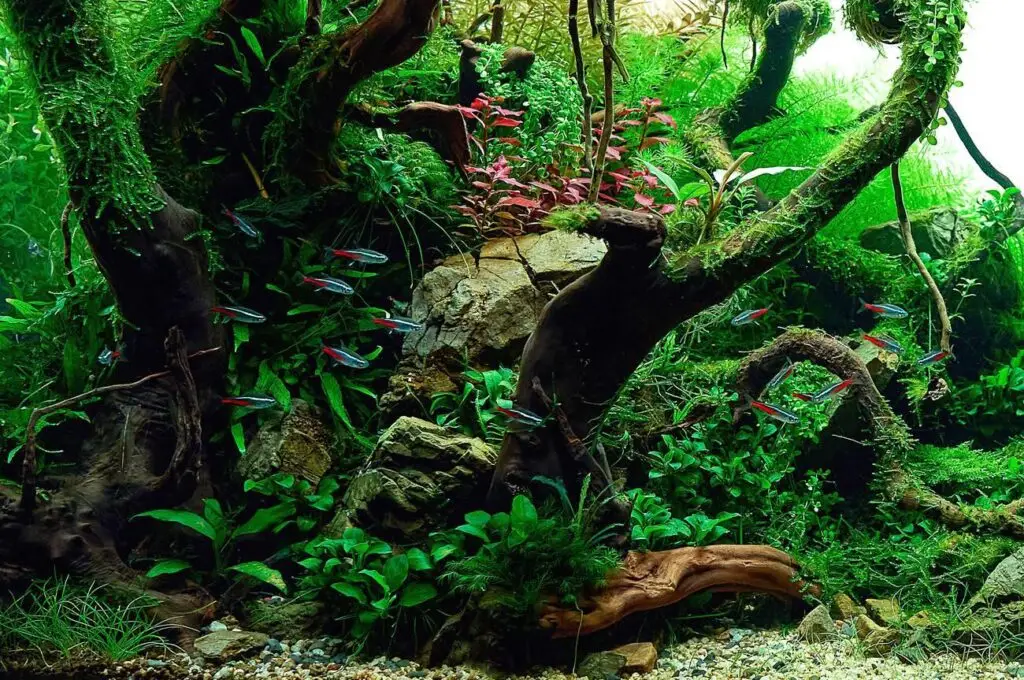
(A simple guide from someone who has killed… and finally grown a lot of plants)
If you’re starting your first planted tank, the idea of choosing plants can feel weirdly stressful. I remember standing in a shop years ago, staring at rows of plants with fancy names, pretending I understood what “high PAR light” even meant. Spoiler: I didn’t.
The good news is… you don’t need CO₂, expensive lights, or deep knowledge to grow beautiful plants. There are plenty of hardy species that just grow, even if you forget them for a week. So let me share the plants that have survived my mistakes — and will almost definitely survive yours too.
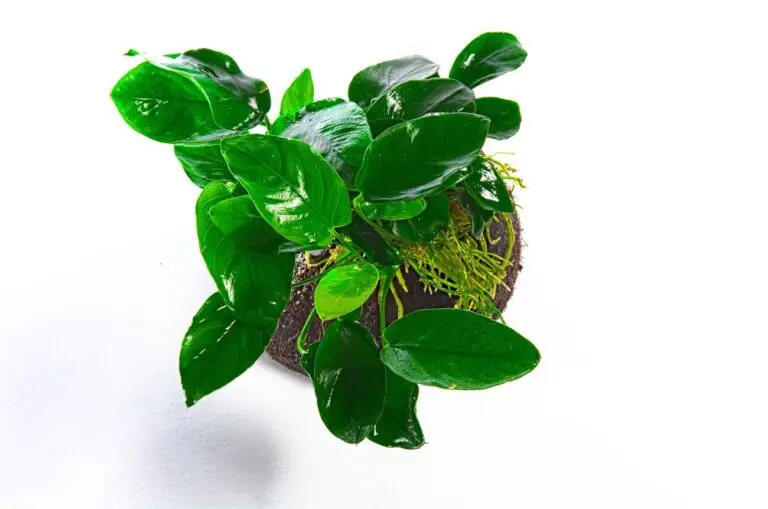
1. Anubias (Any Variety)
Probably the most “un-killable” plant in the hobby.
Why beginners love it:
Grows in almost any lighting
Doesn’t need CO₂
Slow-growing (so you don’t trim it every week)
Looks good on driftwood or rocks
Tip:
Don’t bury the rhizome in the substrate — tie or superglue it to wood or stone. If you bury it, it rots (I learned this the hard way).
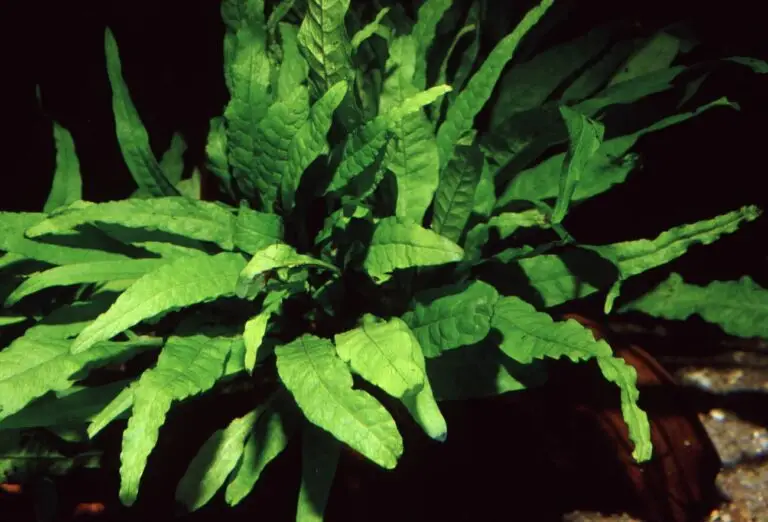
2. Java Fern (Microsorum pteropus)
Another absolute beginner legend. This thing grows even in tanks that humans gave up on.
Why it’s perfect:
Extremely hardy
Great for low-tech tanks
Fish don’t usually eat it
Comes in several cool varieties
Just like Anubias, the rhizome should be tied, not buried.
3. Amazon Sword (Echinodorus spp.)
If you want a big, dramatic plant that screams “I’m a real aquascaper now,” this is it.
Pros:
Fast-growing
Fills up space nicely
Great for the background of slightly larger nano tanks
Cons:
Needs a nutrient-rich substrate. Basic soil or root tabs are enough though.
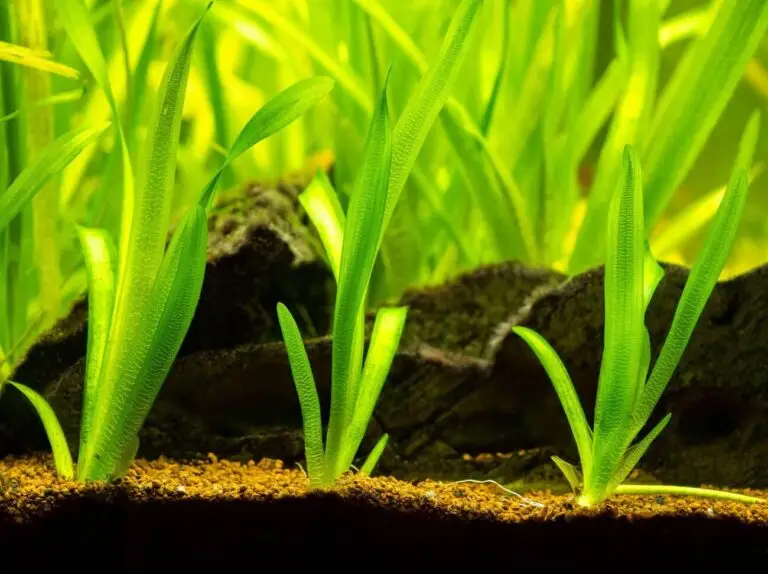
4. Vallisneria (Val / Jungle Val / Corkscrew Val)
Think of Vallisneria like underwater grass that got bored and decided to grow taller than your tank.
Why beginners love it:
Super easy
Spreads naturally (you’ll have baby vals everywhere)
Perfect for creating a forest vibe
Works beautifully in low-tech setups.
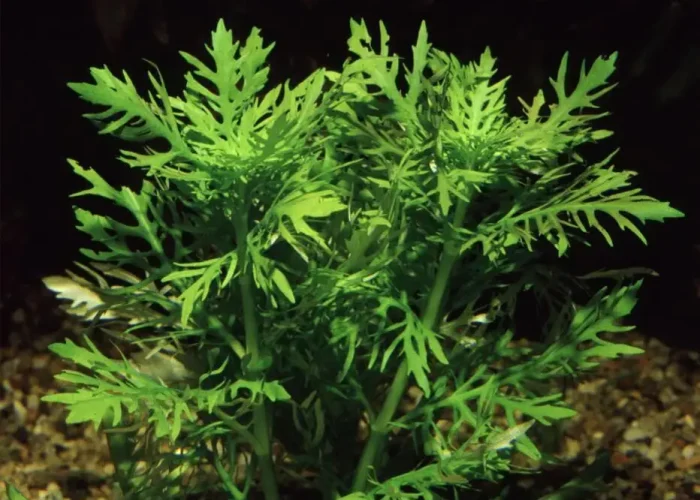
5. Water Wisteria (Hygrophila difformis)
This plant grows like it’s trying to escape the tank. If you want fast results with minimum thinking, Wisteria is your plant.
Why it’s loved:
Grows fast
Helps prevent algae
Beginner-proof
Easy to trim and replant
Great for filling space quickly.
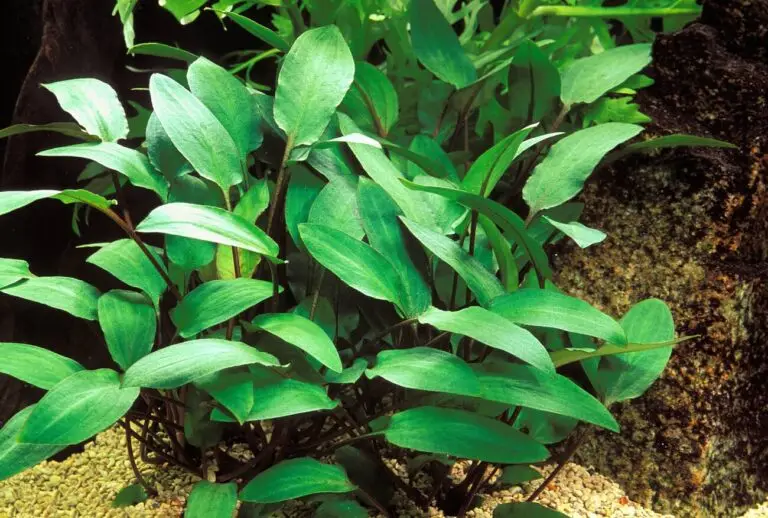
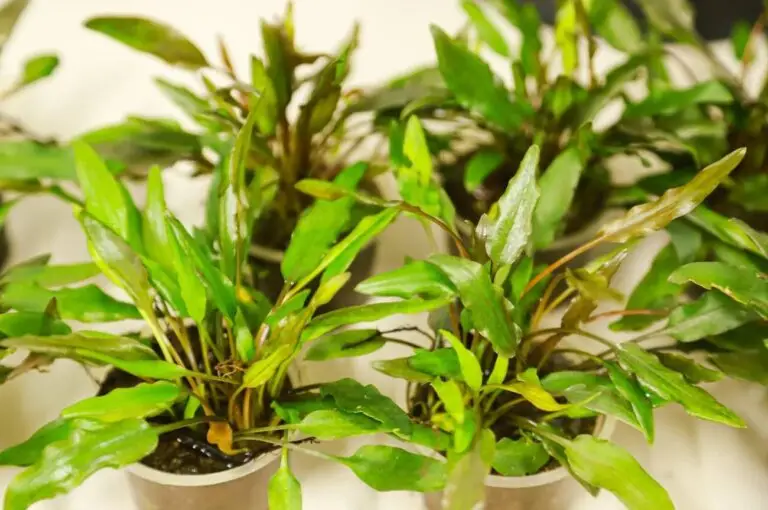
6. Cryptocoryne (Crypts)
Crypts are funny plants. When you first plant them, they might melt and look completely dead. Don’t throw them away — they ALWAYS come back.
What you’ll love about crypts:
Gorgeous natural look
Many colors (green, bronze, reddish)
Don’t need fancy lights
Stay compact
Once they settle, they become some of the prettiest plants in the tank.
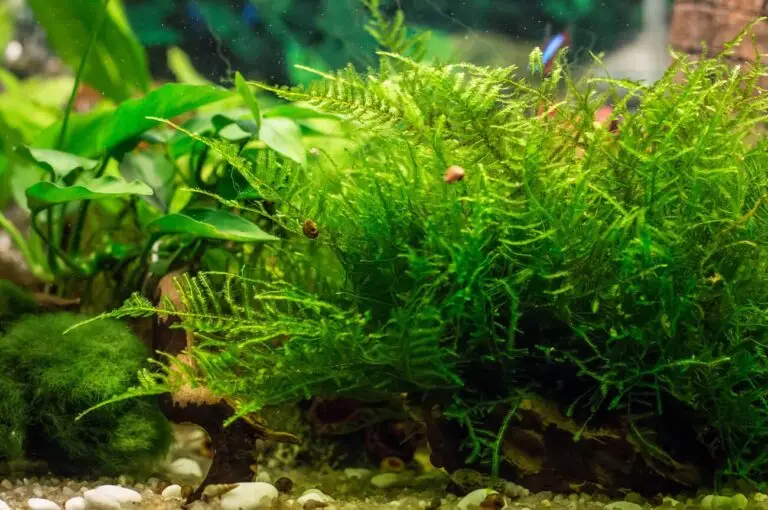
7. Java Moss
If you don’t know what to add but want the tank to look more “aquascapey,” add moss. Java Moss grows anywhere you put it.
Why beginners love it:
Makes wood and rocks look natural
Shrimp love hiding in it
No planting required
Survives low light easily
Also great for breeding tanks or nano tanks.
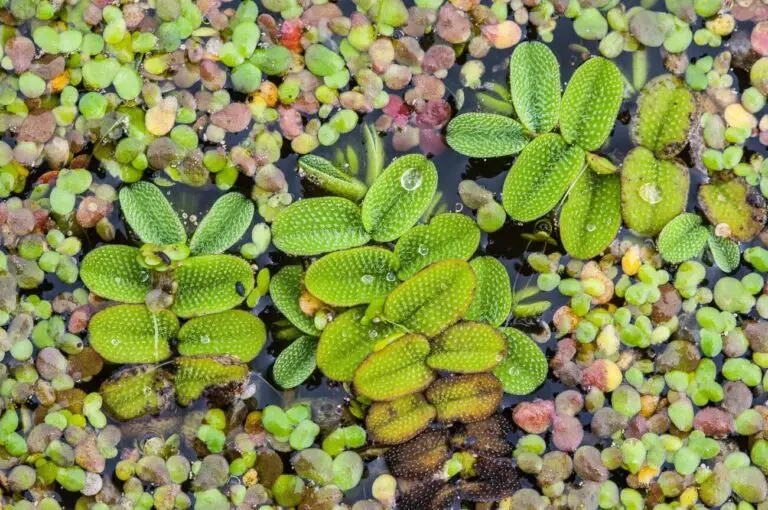
8. Floating Plants (Salvinia, Frogbit)
Floating plants add a completely different vibe. They give soft shade, reduce algae, and make fish feel secure.
Why they’re useful:
Suck up nitrates
Reduce light intensity
Grow quickly
Look beautiful from above
Just skip duckweed unless you’re mentally strong. It spreads everywhere.
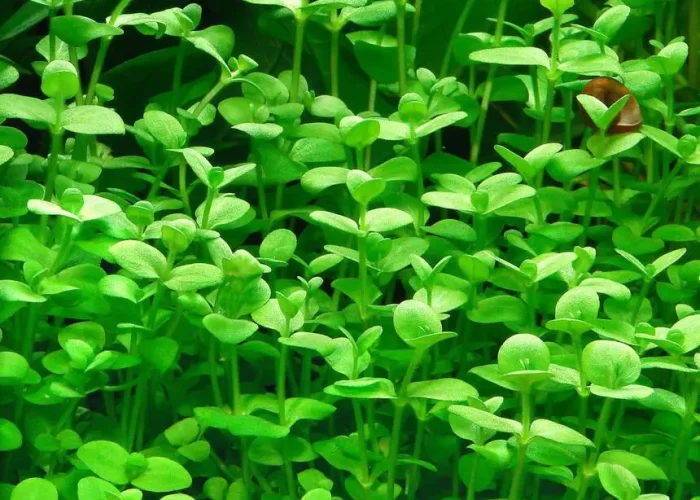
9. Bacopa / Moneywort
A neat, simple stem plant. Easy to grow, easy to trim, easy to manage.
Why I like it:
Survives low light
Can grow above water
Clean, tidy leaves
Works beautifully along the back of the tank.
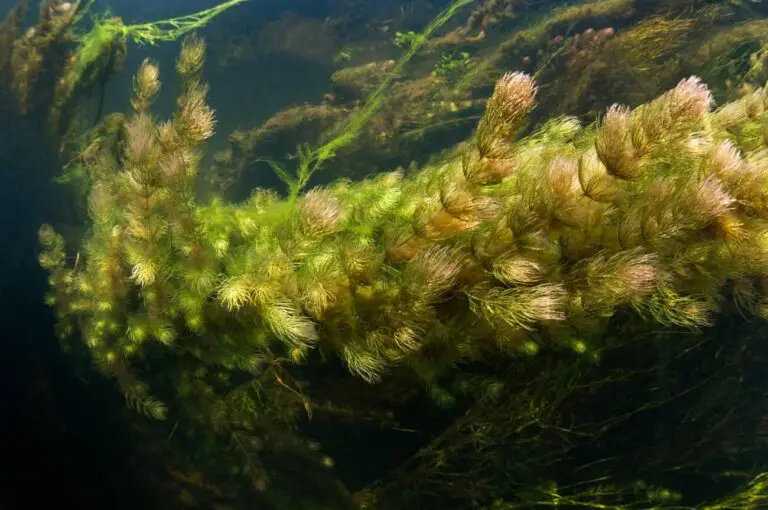
10. Hornwort
Hornwort is basically the “tank cleaner” plant. It eats up excess nutrients and grows ridiculously fast.
Good for:
New tanks
Breeding tanks
Floating setups
Low maintenance tanks
It’s not the prettiest, but it’s super effective.
The easiest combo for complete beginners
If I had to give a friend just 3 plants to start their first tank, I’d choose:
Anubias Nana
Java Fern
Vallisneria
These three can’t go wrong. They grow slowly, look beautiful, and almost never melt.
Simple Tips to Keep Low-Tech Plants Happy
You don’t need CO₂ or a special light schedule. Just follow these:
Keep light ON for 6–8 hours max
Weekly water change (20–30%)
Add liquid fertilizer once a week
Use root tabs for root-feeding plants
Don’t keep moving plants around — let them settle
Plants need stability more than anything else.