
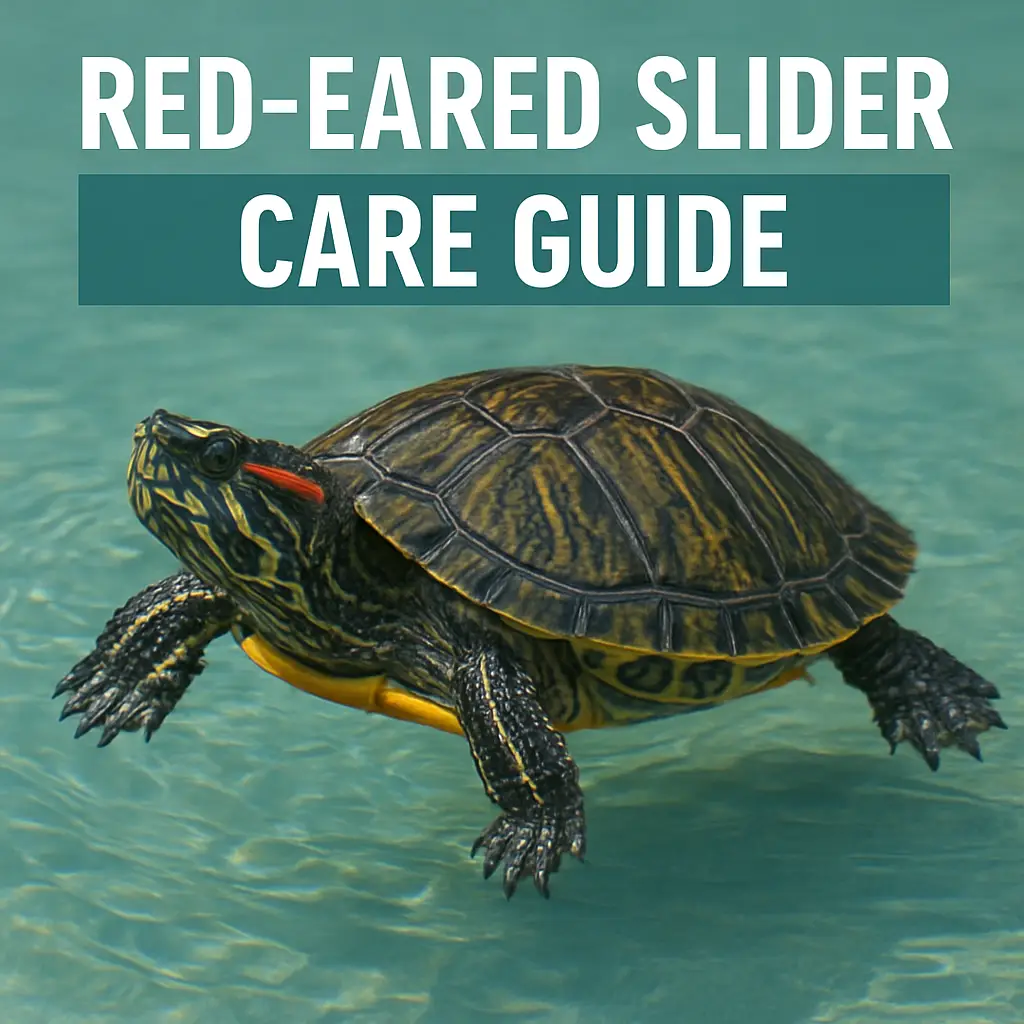
red eared slider care guide
Red eared slider care guide is something most people search for only after they already own one. Very few buyers are told the full story at the pet shop. What starts as a tiny, coin-sized turtle quickly turns into a long-term responsibility that many people feel unprepared for.
Red-eared sliders are hardy, intelligent, and full of personality. They are also demanding in ways that surprise beginners. This guide is written to explain their care honestly, without sugarcoating or panic. Whether you already have one or are just researching, understanding proper care is the difference between a healthy turtle and years of struggle.
Understanding Red Eared Sliders Before You Start
Red-eared sliders are freshwater turtles native to the southern United States. They are strong swimmers, active baskers, and heavy eaters. In the wild, they spend their days swimming, hunting, basking under the sun, and resting in shallow waters.
In captivity, they expect the same variety. This is where many setups fail. Treating a red-eared slider like a fish or keeping it in a small tub is one of the biggest mistakes beginners make.
A slider is not a low-maintenance pet. It is a long-term animal that can live 20 to 30 years with proper care.
Tank Setup for Red Eared Sliders (This Is Critical)
The tank setup is the foundation of good care. Most slider health problems start here.
Tank Size Requirements
Small turtles grow fast. What looks fine today will be completely inadequate in a year.
A general rule:
Juveniles need at least 40 to 50 liters to start
Adults need 200 liters or more
Bigger is always better. Red-eared sliders need space to swim properly, not just float.
Crowded tanks lead to stress, poor growth, and dirty water.
Water Depth and Swimming Space
Red-eared sliders are strong swimmers. Shallow water restricts natural behavior.
Water depth should be:
At least 2 to 3 times the turtle’s shell length
Deep enough to allow free swimming
They must be able to flip themselves upright easily. Sliders are confident swimmers when given space.
Basking Area (Non-Negotiable)
Basking is not optional. It is essential.
A proper basking area:
Allows the turtle to climb completely out of water
Stays dry
Is stable and easy to access
Basking helps with:
Shell health
Digestion
Preventing infections
Floating docks, stacked rocks, or DIY platforms can work as long as they are secure.
UVB and Heat Lighting
This is where many beginners cut corners, and it causes serious problems.
Red-eared sliders need:
UVB light for calcium absorption
Heat light for proper basking temperature
Without UVB:
Shell softens
Bone deformities develop
Growth becomes unhealthy
The basking spot should feel warm, similar to sunlight. Lights must be replaced periodically, even if they still turn on, because UV output weakens over time.
Filtration (More Than Fish Tanks Need)
Red-eared sliders are messy. Very messy.
They eat heavily and produce large amounts of waste. A weak filter will not keep up.
Choose:
A strong external or canister filter
Rated for tanks larger than your actual tank size
Good filtration keeps water cleaner and reduces smell, but it does not replace water changes.
Water Quality and Maintenance
Clean water is critical, but sliders tolerate slightly imperfect conditions better than fish.
Still, neglect leads to:
Shell rot
Eye infections
Skin problems
Basic routine:
Partial water changes weekly
Remove uneaten food
Rinse filter media in tank water when flow slows
Do not aim for crystal-clear water every day. Aim for stable, clean-enough water.
Red Eared Slider Diet (More Than Just Pellets)
Diet is another area where sliders are often misunderstood.
They are omnivores. Their diet changes as they grow.
What Juveniles Should Eat
Young sliders need more protein.
Good foods include:
Commercial turtle pellets
Occasional insects
Small amounts of leafy greens
Protein supports growth, but too much causes shell problems if not balanced.
What Adults Should Eat
As sliders mature, they need more plant matter.
Adult diet should include:
Leafy greens like lettuce, dandelion greens, and aquatic plants
Pellets as a supplement
Occasional protein
Feeding only pellets long-term leads to obesity and poor shell condition.
Feeding Frequency
Overfeeding is common.
A safe approach:
Feed juveniles once daily
Feed adults every other day
Only feed what the turtle can finish in a short time. Excess food pollutes water quickly.
Common Red Eared Slider Health Problems
Most health issues come from poor setup, not bad luck.
Shell Rot
Caused by:
Dirty water
Lack of basking
Poor lighting
Shell should feel firm and look clean. Soft spots or foul smell are warning signs.
Pyramiding and Deformed Shell
Caused by:
Improper diet
Lack of UVB
Excessive protein
This develops slowly and is difficult to reverse.
Eye and Skin Infections
Often caused by:
Dirty water
Vitamin deficiency
Poor basking conditions
Clean setup and balanced diet prevent most cases.
Behavior and Personality
Red-eared sliders are intelligent and curious.
Healthy behavior includes:
Active swimming
Regular basking
Strong feeding response
A turtle that hides constantly or refuses to eat is usually stressed.
Observe behavior more than appearance.
Common Mistakes Beginners Make
These mistakes appear again and again.
Keeping sliders in:
Small tubs or bowls
No basking area
No UVB lighting
Other mistakes:
Overfeeding
Weak filtration
Releasing turtles into local water bodies
Most of these come from misinformation, not bad intentions.
Why Red Eared Sliders Are Not Beginner Pets
Despite being sold as easy pets, sliders are demanding.
They require:
Large space
Strong equipment
Long-term commitment
Regular maintenance
Many people are not prepared for this, which leads to neglect or abandonment.
Responsible Ownership Matters
In India especially, red-eared sliders are considered invasive. Releasing them into ponds or rivers harms native wildlife and ecosystems.
If you already own one:
Do not release it
Seek guidance from local authorities or rescue groups if needed
Responsible care protects both the animal and the environment.
Long-Term Commitment Reality
A red-eared slider is not a short-term pet.
With proper care, it can:
Outlive many other pets
Require decades of attention
Before keeping one, think beyond the first year.
Final Thoughts
Red-eared sliders are fascinating animals, but they are often misunderstood. Proper care requires space, planning, and consistency. When cared for correctly, they are active, alert, and engaging pets. When neglected, they suffer quietly.
This red eared slider care guide exists to help you make informed decisions. Whether that means improving your current setup or choosing not to keep one at all, awareness is always the right first step.
Caring for animals responsibly is part of being a true aquarium and aquatic hobbyist.