
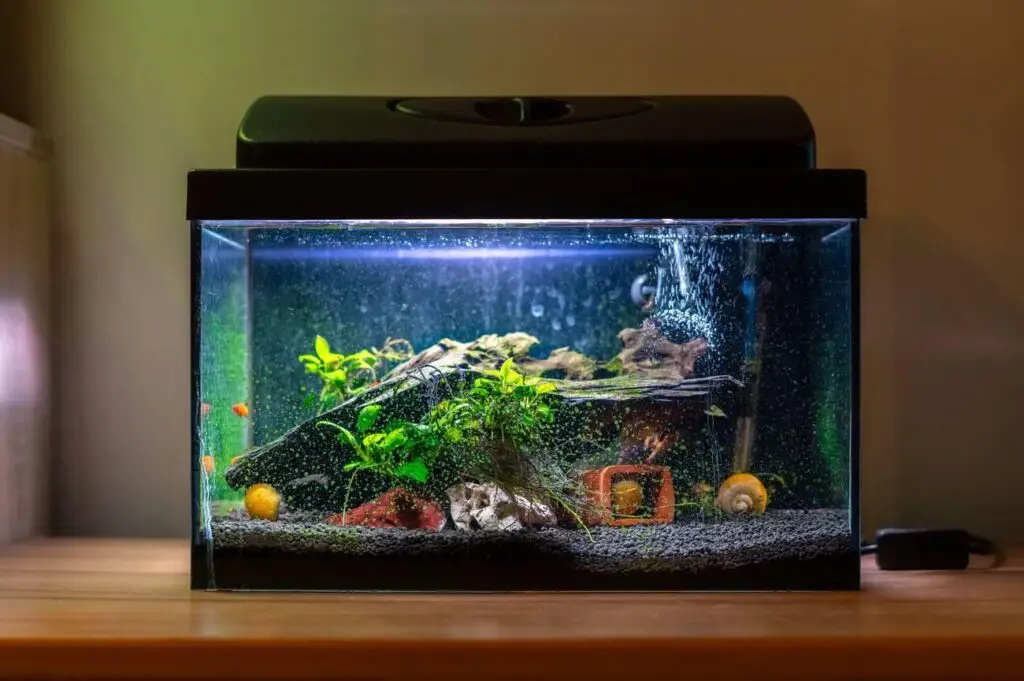
If you’ve ever stood in front of a planted aquarium and thought, “Man… I want this in my room,” you’re not alone. Almost everyone who gets into aquascaping starts with the same mix of excitement and confusion. I was the same way. My first tank was honestly a mess — cloudy water, plants melting, and guppies hiding like I owed them money. But once things clicked, it became one of the most relaxing hobbies in my life.
So, if you’re starting fresh, take it slow. Let me walk you through everything you actually need to know — without drowning you in technical stuff.
Why a Freshwater Aquarium Is a Great First Step
A freshwater tank adds beauty, movement, and a weird kind of peace to any room. Kids love watching fish swim around (it’s basically a moving science project), and adults get a small escape from everyday stress. The best part? Once your tank is stable, it’s surprisingly easy to maintain.
Choosing the Right Tank (Bigger Helps, Trust Me)
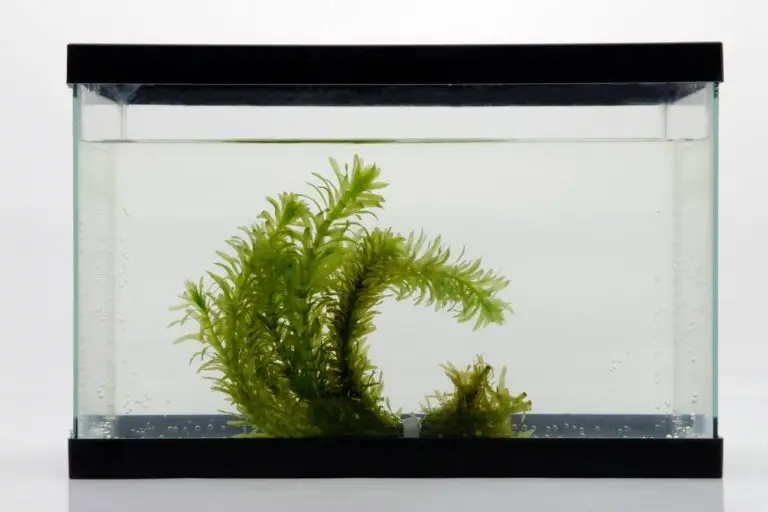
A lot of beginners go for tiny bowls because they look “cute,” but trust me — they get dirty fast and the fish won’t enjoy it. A 20–60L horizontal aquarium is a great starting range. Long tanks give better oxygen exchange and more layout room for your aquascape.
Before you pick a tank, think about:
Where you’ll place it
How much weight the stand can handle
What fish you want later (they grow fast!)
Pick the spot before you pick the tank — it saves headaches later.
What You’ll Need (Beginner-Friendly Checklist)
Here’s the stuff you should have on hand before you even think of bringing home fish:
Tank + stand
Lid (stops evaporation and fish jump-outs)
LED light
Sponge filter or simple hang-on-back filter
Water conditioner
Heater (if you plan to keep tropical fish)
Thermometer
Substrate (soil, sand, or gravel)
Rocks, wood, plants (real or fake)
Siphon/gravel vacuum
Test kit (ammonia, nitrite, nitrate)
Bacteria starter (trust me, this helps a lot)
You don’t need to break the bank. A simple setup works great if done right.
Where to Place Your Aquarium (Don’t Skip This Part)
Fish tanks don’t like temperature swings. Avoid:
Windows with sunlight
AC vents
Doors that open all the time
Find a stable spot close to a plug point. And remember: water is heavy. A full 60L tank can cross 60–70 kg with substrate and décor.
Getting the Water Ready
You can go two ways:
Fake plants — easy and low maintenance
Live plants — look amazing but need proper light and substrate
For live plants, choose easy ones like:
Anubias
Java fern
Amazon sword
Vallisneria
Rotala
And always rinse your gravel/sand unless it’s plant soil. Don’t disturb it too much
Step-by-Step: Setting Up Your First Aquascape
Here’s a simple flow you can follow:
1. Clean the tank
Just rinse. No soap. Ever.
2. Add substrate
Sloping it upwards towards the back instantly makes the tank look deeper.
3. Place rocks and wood
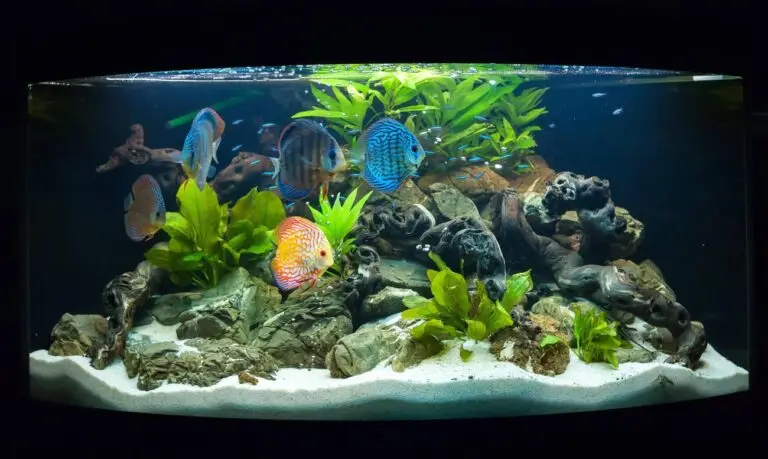
This is your “hardscape.” Play around until it feels right — don’t copy anyone, just enjoy it.
4. Fill water 1/3 first
Pour water on a plate to avoid kicking up substrate.
5. Plant your plants
Rooted plants go in the substrate. Rhizome plants (anubias, ferns) attach to rocks/wood.
6. Add rest of water (conditioned)
Never forget the water conditioner.
7. Install filter, heater, lights
Double-check everything before switching on. Heaters must be underwater before turning on.
8. Let the tank run for 24 hours
This helps you catch leaks or equipment issues early.
Cycling — The Step Most Beginners Hate but Must Do
Cycling means building up beneficial bacteria that process fish waste.
Without cycling, fish get ammonia poisoning — it’s called “new tank syndrome.”
There are two ways:
Natural cycling: 4–6 weeks
With nitrifying bacteria: as little as 2–7 days
You’ll know the tank is safe when:
Ammonia = 0
Nitrite = 0
Nitrate is present (but low)
When Can You Add Fish?
Only after the tank is fully cycled and stable.
If you add fish too early, you’re basically putting them in toxic water. Many beginners do this and wonder why their fish get sick or hide constantly.
Start with a few fish first. Add more slowly over the next few weeks.
6 Helpful Tips Most New Aquarists Don’t Know
Don’t rush stocking.
Add fish slowly so the bacteria can adjust.Decorate for the fish, not just for looks.
Shy fish need hiding places.If your fish hide at first, relax.
They’re scared; it’s normal.Use a timer on your light.
Prevents algae and gives fish a day/night cycle.Don’t deep-clean the tank early.
You’ll disrupt developing bacteria.Research fish compatibility.
Schooling fish need groups. Some species need pairs or trios.
Maintenance: The Simple Routine
Nothing fancy. Just follow this:
Weekly: 30–40% water change
Monthly: Clean filter sponge using tank water
Daily: Feed small amounts + observe fish
Plants will need trimming now and then, but that’s the fun part.
FAQ (Short and to the point)
How long before adding fish?
After cycling — typically days with bacteria starter, weeks otherwise.
Can I add fish the same day I set up the tank?
No. Please don’t.
Why is my water cloudy?
New tank bacteria bloom — totally normal.
How do I know if my heater is right?
Approx. 3–5W per litre. For larger tanks, two smaller heaters are safer than one big one.
Final Thoughts
Aquascaping is honestly one of the most rewarding hobbies you can pick up. Your first tank won’t be perfect — and that’s completely fine. Every tank teaches you something new. Once you see your fish exploring the world you created for them, everything feels worth it.
Good